Even the best organized operations may fall because of equipment loss. There is movement of tools across sites, one would leave machinery behind, and even more than one team would share assets. When companies lack a stable method of tracking it all, they experience delays, unforeseen costs, and the crews waiting until the necessary equipment is transported. The more locations that a business manages, the more difficult it is to track valuable items.
Loss does not necessarily have to be in the form of theft- it can be as a result of unclear communication, hurry, or just negligence. Losing a single equipment can also stop the project, rent unwanted equipment, or make a purchase that is repeated and wastes money. Creating a reliable method of knowing the location of their equipment at any time of the day is important to the businesses, so that nothing gets lost in the mix of the day-to-day running of businesses.
How Tracking Systems Prevent Equipment from Going Missing
The modern tracking tools have a much greater role compared to demonstrating where equipment is placed. They provide an awareness level that enables the business to remain in control, have less uncertainty, and be responsive when problems arise.
These systems prevent loss in some of the following ways:
- Proper updates on location (where the respective assets are stored or used exactly).
- Motion alerts, which indicate when equipment is out of bounds.
- Use history, which indicates the time of borrowing tools, their change of location, and idle time.
- The central management with total removal of confusion in sharing assets among multiple teams.
With these capabilities, it becomes much easier to control things, waste management, and even make sure that things run smoothly. This has enhanced reliability, enabling companies to keep the momentum going and prevent unwarranted financial losses.
What Plus Surveillance Technology Does It Have
Unusual or Unauthorized Movement Alerts
Asset tracking systems can also provide real-time alerts when assets are being moved inappropriately or authorized. The alerts serve as an early alarm system, which assists companies to react promptly before equipment is lost or stolen for good.
Logs of Usage which indicate Activity Patterns
Past records will show how tools are utilized, when they are idle, and whether some of the assets are constantly moved around. Such visibility enables improved decision-making regarding the buying, maintenance, and distribution of equipment.
Location Tracking in Real-Time
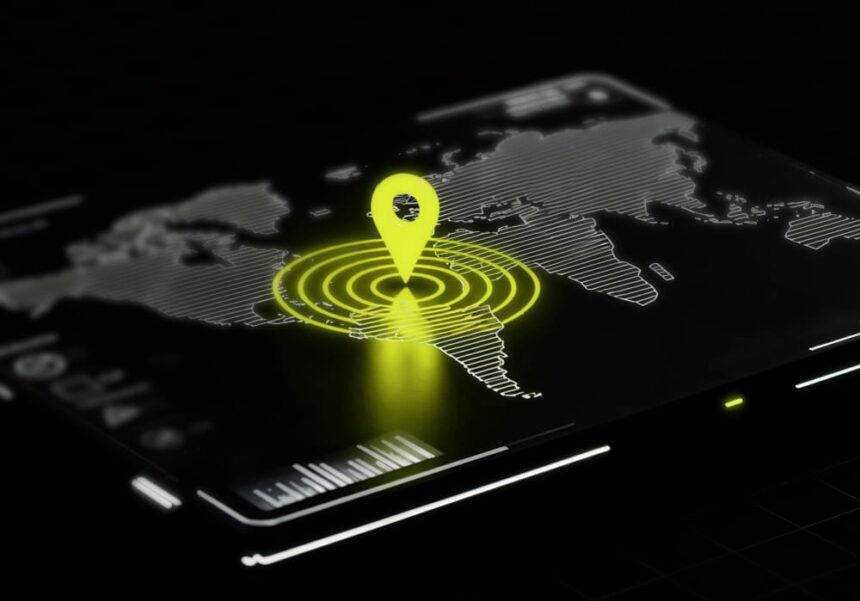
An asset tracking system gives managers instant access to the last place they left their equipment. Items can be on a job site, on transit, or on a warehouse, so real-time data will save time on searching and can eliminate the possibility of misplacing the items by accident.
Improving Efficiency Across Multiple Job Sites
Downtime caused by equipment loss tends to slow down progress and augment labor expenses. In case managers are aware of the exact location of tools, they will be able to maintain crews in the right condition and decrease the irritation of missing a tool. This type of awareness is particularly useful in operations where multiple job sites are involved simultaneously, and the assets are often transferred between the teams.
Tracking technology also allows improved planning. The usage data will allow managers to evaluate whether some of the tools are always in demand or the extra equipment is required to even out the workload. Such insights enable businesses to utilize the resources better and prevent needless renting or buying.
Reducing Financial Risk and Strengthening Accountability
Equipment that has not been properly explained are costly. There are replacement and rush rentals, project delays, etc. Tracking tools are useful to eradicate these financial surprises as they present verifiable information regarding the placement of assets and their usage. Under improved supervision, companies are able to have closer control over their budgets and prevent any unnecessary costs.
There is also improved accountability. As teams understand that equipment locations are tracked, the equipment will be returned more frequently, stored properly, and taken care of. Such transparency minimizes misunderstanding amongst various departments and assists in ensuring that organizational processes are similar throughout.
Conclusion
Loss prevention of equipment cannot be done with manual checklists or routine checkups, it is a process that needs constant monitoring and reliable supervision. The location, activity, and quick response when something moves out of place are all tools that businesses can obtain using tracking systems. These systems enable businesses to secure their investments and ensure their projects run smoothly without being derailed by losses, lack of accountability, or poor planning. The institutions that are concerned with asset visibility will enjoy increased efficiency, reduced costs, and a smooth process in all work stations.