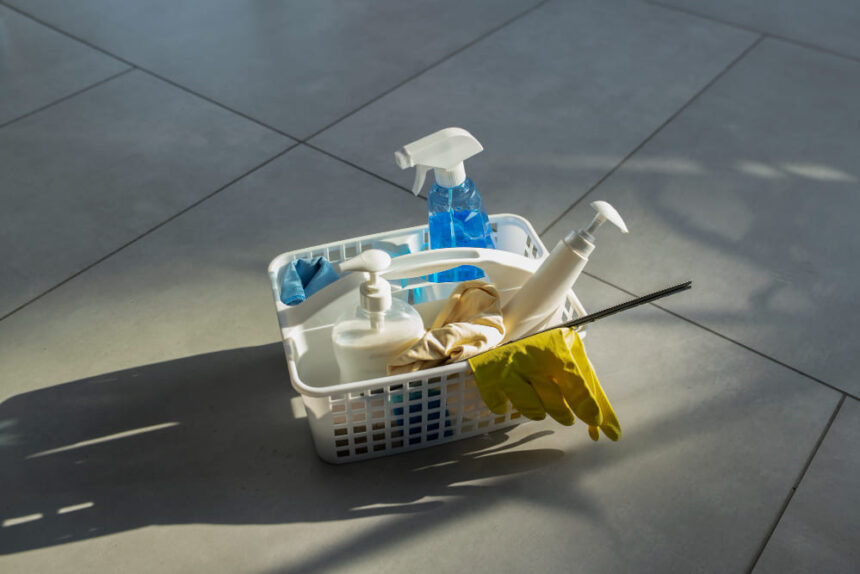
Selecting cleaning products for a business calls for a mix of practicality, awareness of workplace needs, and an understanding of how product choices influence long-term operations. The right selection supports hygiene, protects surfaces, reduces waste, and helps teams work with confidence. Every workplace carries its own rhythm and its own set of priorities, so the decision-making process benefits from clear criteria. The following sections explore the key factors that guide this process and offer a structured look at what shapes smart purchasing choices for organisations of all sizes.
Bulk Purchasing and Long-Term Value
Many businesses seek ways to stretch their budgets without lowering standards, and bulk buying plays a central part in this approach. Larger quantities cut packaging waste, reduce unit costs, and keep supply rooms stocked during periods of high demand. This approach becomes even more strategic when teams select items such as commercial and bulk laundry supplies within a broader procurement plan that balances cost, storage space, and product longevity. Bulk purchasing also reduces the number of orders that staff need to place throughout the year, which supports smoother workflows and helps avoid sudden shortages that can interrupt daily operations. These savings extend beyond finances, as staff time is freed for tasks that support productivity and customer service.
Surface Compatibility and Material Protection
Cleaning products vary widely in strength, formulation, and intended use, and these differences carry serious weight when a workplace contains multiple types of surfaces. Offices often include a mix of glass, laminate, wood, stone, and metal, each reacting in its own way to certain ingredients. A cleaner designed to cut through grease on stainless steel can leave streaks on glass or cause gradual dulling on varnished wood, while a product suited to tile may be too abrasive for delicate fixtures.
Soft materials such as carpets, curtains, and upholstered seating call for solutions that lift dirt without weakening fibres or altering colour. Hard flooring presents its own challenges, as some products can create slippery finishes or leave films that attract dust. Spaces with high visitor traffic, such as shops, schools, or reception areas, rely on products that keep surfaces looking polished without contributing to premature wear. When cleaning choices complement the materials in a space, businesses preserve the appearance of their interiors, reduce long-term maintenance costs, and maintain environments that support both staff safety and professional presentation.
Health, Safety, and Indoor Air Quality
Cleaning routines shape the daily experience of everyone who spends time inside a workplace, and the products chosen for those routines influence comfort, well-being, and overall atmosphere. Strong chemical odours, heavy vapours, and lingering residues can create discomfort for staff who perform cleaning tasks as well as for those who work nearby. Many modern formulations focus on gentler scents and reduced irritants, offering workplaces a way to maintain high hygiene standards without overwhelming enclosed rooms.
Labels and safety data sheets guide teams when selecting options suited to staff members who may be sensitive to fragrance, prone to respiratory irritation, or exposed to cleaning products throughout long shifts. Workplaces that welcome clients, guests, patients, or students gain clear advantages from choosing formulas that leave behind light, unobtrusive scents rather than sharp chemical traces.
Storage habits also influence air quality, since tightly sealed containers, organised shelving, and dry, well-ventilated supply rooms prevent fumes from building up over time. Training sessions that explain proper dilution, handling, and protective gear support safe routines for every shift, reinforcing a workplace culture that values comfort and precaution at each stage of the cleaning process.
Environmental Considerations and Waste Reduction
Many organisations aim to limit their environmental impact, and cleaning product selection contributes strongly to this effort. Concentrated formulas reduce packaging because one container can create numerous batches of usable solution once diluted, which lowers transport weight and storage demands. Refillable dispensers cut plastic output and create a smoother system for teams that replenish supplies often.
Some businesses shift toward plant-based or biodegradable options that break down more easily after disposal, leaving a lighter mark on waste streams. Clear ingredient labels support purchasing teams that want products aligned with company values, and this transparency helps staff understand what they bring into shared spaces. Water-conscious routines pair well with these choices, especially in workplaces that handle constant cleaning cycles. These decisions build a culture that values long-term stewardship, showing how everyday product selection shapes a cleaner future for staff, customers, and surrounding communities.
Workplace Activity Levels and Cleaning Frequency
The rhythm of daily operations strongly influences the cleaning products a business requires. A high-traffic environment, such as a restaurant, hotel, or retail store, faces frequent spills, stains, and dirt accumulation, making products with quick action and strong cleaning power a necessity. In contrast, quieter offices or administrative settings may need lighter surface cleaners and occasional deep cleaning solutions to maintain hygiene without unnecessary chemical use. Industries with strict hygiene standards, like medical facilities or gyms, often rely on disinfectants that work rapidly and effectively between users to prevent the spread of germs.
Warehouses, workshops, and manufacturing spaces frequently require heavy-duty degreasers and industrial cleaners to handle oils, residues, and tough grime. The frequency of cleaning also shapes product choice, as products used repeatedly must perform efficiently without leaving residues, streaks, or build-up that could increase labour or reduce safety. Understanding patterns of foot traffic, the types of messes likely to occur, and peak usage times allows businesses to schedule cleaning more strategically and select solutions that maintain consistent cleanliness while supporting workflow efficiency.
Brand Reliability, Training, and Ease of Use
Product selection reaches beyond ingredients and price. Reliability, clarity of instructions, and ease of handling shape how well products integrate into daily routines. Some brands offer stronger track records for consistency, and businesses often stay loyal once they find items that deliver predictable results. Clear labelling reduces confusion for staff and lowers the risk of misuse. Simple dilution instructions or ready-to-use formats shorten training time, which proves useful for teams with seasonal or rotating workers. Packaging that offers a comfortable grip, spill protection, and secure closures reduces wastage and simplifies transport between storage rooms and work areas.
Choosing the right cleaning products for a business involves a blend of practical thinking, awareness of workplace conditions, and clear purchasing strategies. The most effective cleaning programs grow from product choices that support staff, strengthen operations, and maintain clean, welcoming environments for all who pass through them.