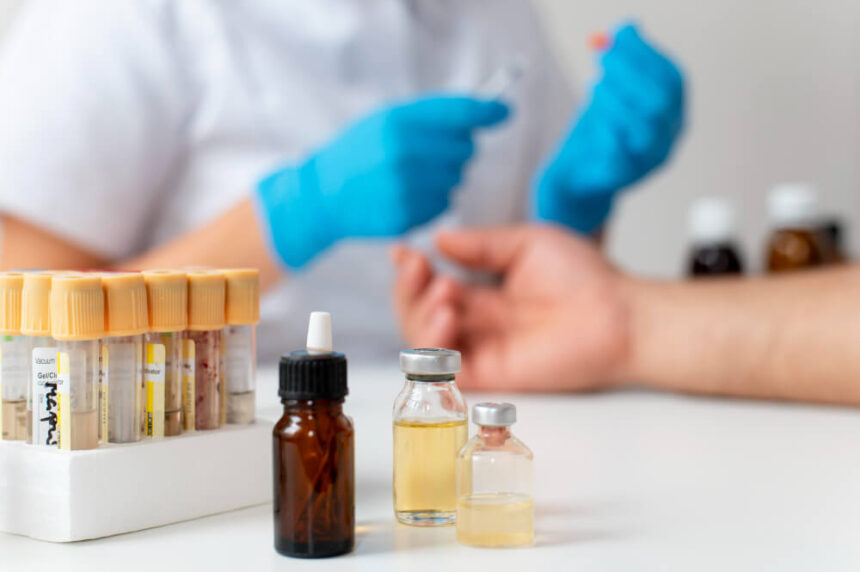
Drug testing plays a critical role in workplaces, healthcare, and legal settings, yet its accuracy is not always guaranteed. The reliability of a drug test depends on several factors, including the type of test used, how the sample is collected and stored, the timing of the test, and individual differences such as metabolism. Understanding these variables helps explain why results can sometimes be questioned or require confirmation.
Different testing methods, such as urine, saliva, hair, and blood, each come with their own strengths and limitations. External elements like improper handling, cross-reacting substances, or even over-the-counter medications can also influence outcomes. Recognizing these influences allows people to interpret results more accurately and avoid common misconceptions about testing reliability.
Key Takeaways
- Several variables determine how accurate a drug test will be
- Testing methods differ in sensitivity and reliability
- External and individual factors can affect test results
Key Factors Influencing Drug Test Accuracy
The reliability of drug testing depends on the testing method, how the sample is collected and handled, and the biological differences among individuals. Each of these elements can affect whether a test produces accurate, consistent, and valid results.
Type of Drug Test and Detection Windows
Different drug testing methods vary in accuracy, sensitivity, and detection periods. Urine drug tests are the most common because they are cost-effective and can detect a wide range of substances, but they typically only identify recent use. Hair follicle tests provide the longest detection window, often up to 90 days, but they cannot detect very recent use within a few days. Saliva drug tests are useful for identifying recent drug use within hours to a few days, making them effective for post-incident or roadside testing.
Blood testing is the most precise method, as it measures the actual concentration of substances in the bloodstream. However, it has a short detection window and is more invasive and costly. In some contexts, professional-grade breathalyser test kits are also used, especially for alcohol detection, offering immediate and reliable results. The choice of test directly affects accuracy because each method balances sensitivity, cost, and detection timeframe differently.
Sample Collection and Handling Procedures
The way a sample is collected, stored, and transported significantly influences test accuracy. Improper handling can lead to contamination, degradation, or even false positives. For example, urine tests require secure collection to prevent tampering. Samples must be stored at controlled temperatures to preserve integrity. Saliva drug tests are less prone to tampering but can be affected by food, drink, or oral hygiene products.
Chain-of-custody procedures are critical in workplace and legal testing. They document every step from collection to analysis, reducing the chance of human error. Without strict protocols, even the most advanced laboratory methods may yield unreliable results.
Metabolism and Individual Physiology
Individual biology plays a major role in how drugs are processed and detected. Factors such as age, body weight, liver and kidney function, and genetic differences in metabolism can influence detection times. For instance, a person with a faster metabolism may eliminate substances more quickly, shortening the detection window. Conversely, slower metabolism or certain health conditions can extend how long drugs remain detectable.
Drug use patterns also matter. Frequent or heavy use often leads to accumulation in tissues, which can be identified in hair follicle tests or longer-lasting urine tests. Occasional users may test negative sooner, even when the same drug is involved. Variability in physiology means two individuals can produce different results under the same testing conditions, making interpretation an essential part of accurate drug testing.
Impact of Testing Methods and External Variables
The accuracy of drug testing depends not only on the type of test used but also on how samples are handled and external factors that can alter results. Differences in testing environments, chemical interactions, and storage conditions all play a role in determining reliability.
Substance Interference and Cross-Reactivity
Drug tests measure specific metabolites, but substances with similar chemical structures can interfere. Over-the-counter medications, prescription drugs, and even some foods may trigger false positives. For instance, certain cold medications can mimic amphetamines in immunoassay screens.
Cross-reactivity is more common in initial screening methods, particularly rapid urine and saliva tests. Laboratory confirmation using GC-MS or liquid chromatography-tandem mass spectrometry (LC-MS/MS) helps eliminate these errors by identifying unique chemical signatures. Metabolism also varies between individuals. A person’s genetics, liver function, and rate of excretion can influence how long substances remain detectable, affecting results across urine, blood, and hair testing.
Environmental and Storage Conditions
Sample integrity can degrade if collected, stored, or transported improperly. Temperature, light exposure, and time between collection and analysis all impact accuracy. For example, urine samples left at room temperature for extended periods may allow bacterial growth, altering chemical composition.
Hair follicle tests can be affected by external contamination such as smoke or environmental exposure. Proper washing protocols help reduce this risk but cannot completely eliminate it. Saliva and blood samples require careful handling. Improper sealing, delayed processing, or contamination during collection can compromise results. Laboratories use refrigeration, preservatives, and strict handling procedures to maintain sample stability and minimize uncertainty.
Conclusion
Drug test accuracy depends on several factors, including the type of test used, the timing of sample collection, and how the sample is handled. Even small variations in these areas can affect reliability. Individual differences, such as metabolism, hydration, and medication use, also play a role in test outcomes. These variables make it important to interpret results within the proper context.
Laboratory standards, staff expertise, and the quality of testing equipment further influence accuracy. Consistent procedures and proper quality control reduce the risk of errors. Taken together, these factors show that while drug testing is a useful tool, results should be considered carefully and supported by reliable testing practices.