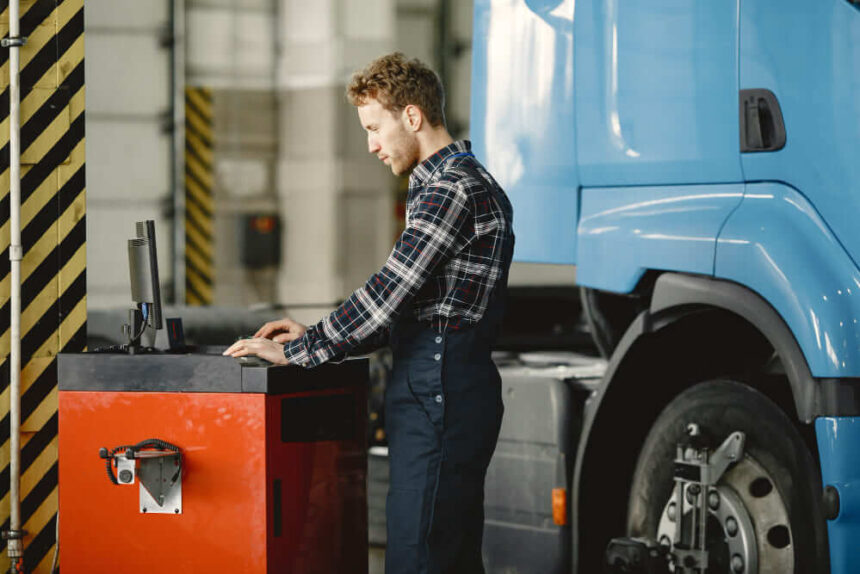
In industrial operations, keeping vehicles running efficiently is essential for productivity and profitability. A well-planned industrial vehicle maintenance strategy helps prevent costly breakdowns, reduce downtime, and extend the life of heavy-duty equipment. Whether it’s forklifts, trucks, or large machinery powered by diesel engines, consistent care ensures better performance and a stronger return on investment (ROI).
Modern fleets depend on powerful Cummins diesel engines and similar systems designed for longevity, but without regular inspection and servicing, even the most reliable machines can fail. By combining preventive care, smart technology, and operator accountability, industrial businesses can maximize uptime and achieve long-term cost savings.
Understanding the Cost of Downtime in Industrial Fleets
Every minute of fleet downtime has a direct financial impact. When an engine or vehicle is out of service, productivity stops, deadlines are missed, and labor hours are wasted. The hidden costs also include expedited repair fees, replacement rentals, and potential safety risks caused by neglected industrial vehicle maintenance.
For example, engines like the Cummins X15 are designed for consistent high-load performance, but ignoring maintenance can lead to fuel inefficiency and mechanical stress. Reviewing the Cummins X15 Specs reveals just how advanced the engine is, offering exceptional torque, power output, and reliability for long-haul or heavy-duty use. Still, without proper oil changes, filter replacements, and cooling system checks, even top-performing diesel engines lose efficiency over time.
Downtime can often be prevented through consistent inspections, proper scheduling, and monitoring tools that alert operators to potential issues before they escalate. Reducing downtime isn’t just about fixing problems, it’s about anticipating them.
Building a Preventive Maintenance Program
A strong industrial vehicle maintenance plan begins with preventive care. Regular inspections based on operating hours, mileage, and manufacturer recommendations ensure that problems are caught early. Tasks like oil and filter changes, fuel system cleaning, and tire pressure checks might seem basic, but they directly affect diesel engine health and fuel efficiency.
Cummins diesel engines, including the X15 Cummins, are built to handle demanding workloads, yet they still rely on timely servicing to maintain their durability. Preventive maintenance reduces the risk of unplanned failures, keeps operating temperatures stable, and minimizes component wear.
When industrial fleets prioritize scheduled maintenance, they extend engine life, reduce emergency repair costs, and improve long-term ROI.
Leveraging Technology and Telematics for Smarter Fleet Management
Today’s fleet managers can leverage digital tools to make diesel engine maintenance more efficient. Telematics systems track engine performance, monitor fuel consumption, and send alerts when service intervals are approaching. This data helps managers schedule maintenance proactively rather than reactively.
For fleets powered by Cummins diesel engines, telematics can connect directly to the engine control module (ECM), providing detailed insights into performance metrics like idle time, load stress, and temperature fluctuations. Predictive analytics further enhance fleet management, identifying potential faults before they cause downtime.
With smart tracking tools, maintenance becomes a continuous process of improvement, helping reduce costs, improve safety, and extend the operational life of both vehicles and diesel engines.
Training and Accountability Among Fleet Operators
Operator behavior directly affects fleet performance and engine health. Excessive idling, overloading, and poor driving habits accelerate wear and increase fuel consumption. Training programs ensure that drivers understand how to operate vehicles responsibly and perform basic daily checks such as fluid levels, tire condition, and air filter cleanliness.
Encouraging accountability among operators promotes proactive industrial vehicle maintenance. When drivers log inspections and report potential issues early, technicians can address them before they cause major disruptions. Over time, this teamwork reduces breakdowns and ensures diesel engines like the X15 Cummins continue performing at optimal levels.
Measuring ROI Through Maintenance Metrics
Tracking the results of your fleet maintenance strategy is essential for long-term optimization. Metrics such as cost per mile, average service interval, and repair frequency help measure efficiency and identify trends. Fleets that implement structured maintenance tracking see measurable returns, lower operating costs, better fuel economy, and fewer emergency repairs.
For fleets running Cummins truck engines or other diesel engines, monitoring performance metrics ensures maintenance decisions are based on data, not guesswork. Over time, these insights help refine budgets, streamline operations, and achieve greater reliability across the fleet.
Why Diesel Engine Reliability Defines Fleet Success
A dependable diesel engine is the backbone of every industrial fleet. Engines like the Cummins X15 deliver powerful torque and fuel efficiency, but their performance depends on consistent care. Proper lubrication, clean fuel, and timely repairs are key to keeping heavy-duty equipment in peak condition.
Reliable engines not only minimize downtime but also enhance productivity and safety. Investing in regular industrial vehicle maintenance ensures that machinery runs smoothly and delivers consistent output in the most demanding conditions.
Final Thoughts
Maximizing fleet uptime starts with disciplined fleet maintenance and a proactive approach to diesel engine care. Regular inspections, preventive maintenance, and trained operators help avoid costly downtime while boosting efficiency and ROI.
With the right strategy, industrial fleets powered by Cummins diesel and other advanced engines can run longer, consume less fuel, and perform better on every job. A consistent maintenance plan doesn’t just keep vehicles moving, it keeps businesses profitable.