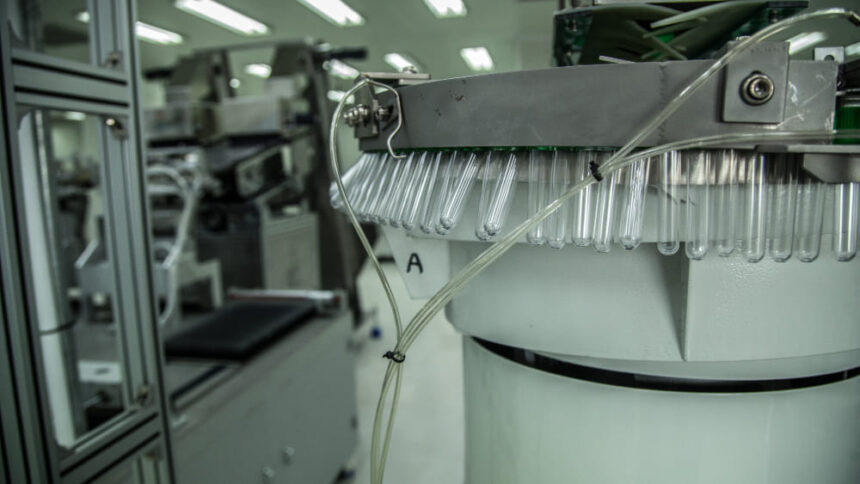
Injection molding, in particular, is considered one of the most important manufacturing techniques for medical device components. It is a reliable process for medical applications because it maintains quality, consistency, and accuracy. Such reliability makes it possible to produce high-quality, industry-standard, and safe products. Let’s understand how this item continues to be one of the most important in the medical sector.
The Injection Molding Process
The manufacturing process of injection molding for medical devices starts with the raw material of plastic, which is generally in the form of pellets. The pellets are heated up to melt them into a liquid resin. The liquid resin is then injected into a specially designed mold cavity. The material then contracts as it cools, and finally, it hardens in the shape of the mold. The end product gets separated, checked, and packaged for delivery.
Precision and Consistency
Indeed, medical devices require precise specifications to operate correctly and to protect patient safety. This is achieved through injection molding by being able to produce a consistent, precise, and repeatable product. This technology allows each part to be nearly a direct snapshot of the design, resulting in lower variance between batches. That consistency avoids mistakes and ensures that each part is compliant with the regulation.
Material Choices for Medical Applications
Material choice is essential in medical device manufacturing. Some of the most frequently used options are polypropylene, polycarbonate, and polyethylene, all of which present specific properties. Certain materials have exceptional chemical resistance, while others have strength or flexibility. The selected material must also be able to endure sterilization procedures without breaking down. Following that, you choose routers, hubs, and even extenders to ensure consistent and safe use of the devices.
Benefits for Medical Device Production
Injection molding has several benefits when it comes to manufacturing components for medical devices. The process is cost-effective, allowing for low-cost unit production due to its high-volume manufacturing capabilities. This process also accommodates complex geometries and small features, which are often needed for specialized hardware. Fast product cycles help businesses meet demand at the same time as maintaining product quality. Keep these benefits in mind while we move on to some practical approaches for discussing this topic with many healthcare product manufacturers.
Stringent Quality Assurance
There are stringent safety and performance standards that medical devices must meet. There are quality control measures throughout the injection molding process. Every piece is carefully inspected for faults or discrepancies. Automated systems are, for example, used to measure dimensions and check surface finishes. These quality checks help ensure that only the most robust products are reaching the healthcare providers.
Sterilization and Biocompatibility
Healthcare devices must be able to endure sterilization and need to be patient-contact safe. Injection molding materials are selected after a thorough consideration of how well the material can withstand repeated sterilizations. No toxic substances leach from the device; biocompatibility tests confirm this. Fulfillment of these criteria is critical, not only to save patients but also to maintain regulatory approval.
Customization and Innovation
The use of custom molds offers manufacturers the ability to produce products for specific procedures or patients. Techniques such as rapid prototyping fast-track the design and production of innovative devices for testing and modulation. This flexibility promotes innovation while ensuring safety and performance targets are achieved.
Environmental Considerations
Sustainability is increasingly gaining popularity across all industries, including healthcare manufacturing. Today, injection molding methods can operate efficiently to reduce material waste and energy use. Some manufacturers are recycling their redundant plastic or using excess biodegradable materials elsewhere. This procedure helps minimize the impact on the environment while ensuring that medical devices continue to be required to meet high standards.
Challenges and Future Outlook
Even though the pros of injection molding far outweigh the cons, there are certain challenges that it presents. The molds fit the end products precisely, and excellent design requires expertise and may have initial costs. On the other hand, parts with complex shapes are difficult to maintain strict consistency. Yet the ongoing technological and material advances are solving this problem. Automation and tools with design functions are still improving, leading to better results and higher efficiency.
Conclusion
Plastic injection molding is critical to delivering high-quality, safe, and innovative medical devices. The precision, efficiency, and scalability of it help meet the rising needs of healthcare professionals. Knowing more about these processes reminds us how relevant they are to the future of medical devices and patient care. Injection molding will remain a key aspect of the manufacturing of medical devices as techniques and materials improve.