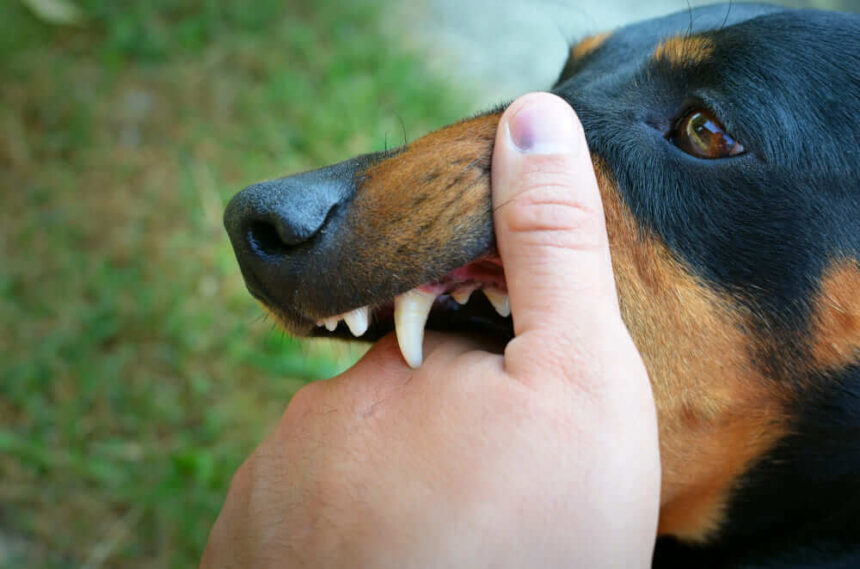
Dog bite claims in Utah often involve more than proving a dog caused an injury. The state’s comparative fault rules can directly affect how much compensation an injured person receives. Under Utah law, compensation decreases if the injured person shares part of the blame for the attack, but remains possible as long as they are less than 50 percent at fault. This legal balance means both sides of a case must show exactly how much responsibility each party bears.
These rules often surprise dog-bite victims, who expect full compensation for their injuries. In practice, courts review every detail: how the incident happened, where it occurred, and whether actions like provocation or trespassing played a role. The outcome depends not just on the dog’s behavior but also on the conduct of the person bitten.
Understanding how comparative fault and strict liability interact helps victims see what compensation they might actually recover. Clear knowledge of these laws also guides stronger legal strategies, better negotiation outcomes, and fairer settlements in Utah dog bite cases.
Understanding Comparative Fault and Dog Bite Laws in Utah
Utah’s dog bite laws balance strict owner responsibility with fair evaluation of each party’s actions. The outcome of a claim often depends on how much fault the court assigns to the person bitten and to the dog’s owner. These rules determine how compensation is calculated and whether an injured person can recover damages at all.
How Utah’s Modified Comparative Fault System Works
Utah follows a modified comparative fault rule found in Utah Code § 78B‑5‑818. This rule means an injured person can collect compensation only if their share of fault is less than 50%. If a judge or jury finds them equally or more responsible, they cannot recover anything.
Courts assign a fault percentage to both sides by reviewing behavior before the bite. For instance, entering a fenced yard or provoking the dog can increase the victim’s share of fault. Even small actions may influence how much compensation they receive.
Example:
If the court awards $60,000 in damages but finds the injured person 25% at fault, the award drops to $45,000. That reduction reflects personal responsibility under the comparative fault system. To learn more about how these percentages might affect individual claims, click here to find experienced Utah dog bite lawyers for injury claims for guidance.
Strict Liability Under Utah Code § 18-1-1
Utah’s strict liability statute holds dog owners responsible any time their dog bites someone, even if the animal never showed aggression before. The rule applies to bites that occur in public or when the injured person lawfully visits private property.
Strict liability simplifies some parts of a case because victims do not need to prove that the owner acted carelessly or knew the dog was dangerous. However, owners can still argue that the bitten person’s actions contributed to the attack. In that case, comparative fault applies, and compensation may decrease.
The law excludes certain dogs, such as those used for law enforcement, from strict liability. Because of those exceptions, evaluating property status, posted warnings, and dog history becomes key to determining owner responsibility.
Comparative Fault Versus Negligence in Dog Bite Claims
Comparative fault focuses on how each side’s behavior contributed to a bite, while negligence deals with whether a party failed to act with reasonable care. These two legal ideas often overlap, but they serve different purposes in claim evaluation.
For example, a dog owner who ignores leash rules acts negligently, which can strengthen a victim’s claim. However, if the victim ignored clear warnings, the court may assign some portion of fault to them. Each factor influences the total compensation available under Utah law.
Courts look at evidence such as medical records, witness statements, and photos to decide how fault should be divided. Understanding both doctrines helps injured people and their attorneys evaluate realistic outcomes before settlement talks or court proceedings.
Compensation Outcomes and Legal Strategies in Utah Dog Bite Cases
Utah law allows a person injured by a dog to seek damages from the owner, but compensation may decrease if the injured person shares fault. Comparative negligence rules balance accountability between both sides and directly affect how much money the victim receives. Building or defending a claim often depends on evidence, fault analysis, and expert support.
How Compensation Is Reduced by Fault Percentage
Under Utah’s modified comparative negligence system, a dog bite victim can collect compensation only if less than 50 percent at fault. Fault percentages directly reduce the total award. For example, a $60,000 payout becomes $42,000 if the court finds the injured person 30 percent responsible.
Courts review each side’s actions to assign fault. If someone ignored warnings or entered private property without permission, their share of responsibility could rise. However, a lawful visitor who acted reasonably will likely face little or no reduction.
Judges and juries apply this percentage rule to all forms of compensation, including medical costs, lost wages, and pain and suffering. The result ties financial recovery to fairness, reflecting both the owner’s duty to control the animal and the victim’s role in the event.
Defenses and Common Comparative Fault Arguments
Dog owners or their insurers often argue that the victim provoked the dog or disregarded safety warnings. They may claim the person approached the dog too closely, teased it, or failed to follow posted signs. These defenses aim to shift part of the blame and reduce the payout.
In Utah dog bite cases, trespassing is a frequent issue. Owners may show that the injured person was unlawfully on the property, which can limit recovery. Another argument involves assumed risk, where the victim knowingly entered a risky situation.
Attorneys review each defense carefully and challenge unsupported claims. They often counter by showing that the owner failed to keep the dog restrained or ignored prior dangerous behavior. Establishing the actual cause and context of the attack is key to minimizing reductions under Utah dog bite laws.
Evidence Needed to Establish or Dispute Fault
Evidence often determines the outcome of a comparative fault dispute. Strong cases rely on medical records, photos of injuries, and witness statements. Animal control reports, veterinary records, and police documentation also help confirm how the incident occurred.
Video footage from doorbell or security cameras often proves decisive. It can show distance, behavior, or warnings ignored. Physical evidence such as torn clothing, leash fragments, or bite patterns adds further support.
Accident reconstruction specialists may analyze the dog’s movement or reaction to establish fault accurately. Expert testimony helps clarify events for the court. A well-documented record gives the judge or jury a clear picture of each party’s responsibility and strengthens fair compensation outcomes.
Role of Utah Personal Injury Lawyers and Experts
Utah personal injury lawyers guide victims through procedural and legal issues that often complicate dog bite claims. They explain how comparative negligence applies and negotiate with insurance adjusters who seek to reduce payments.
An experienced attorney coordinates medical experts, witnesses, and investigators to strengthen the claim. They also track deadlines set by the statute of limitations, which usually allows four years to file but can vary.
Experts such as animal behaviorists or accident reconstruction specialists can demonstrate why the dog acted as it did or whether the victim reacted reasonably. Their input can rebut owner arguments based on provocation or assumption of risk. With this support, claimants present a clearer narrative and pursue compensation consistent with Utah dog bite laws.
Conclusion
Utah’s modified comparative fault system divides responsibility between the dog owner and the person injured. If the injured party holds less than 50% of the fault, they may still receive compensation, but the award decreases based on their share of blame. This rule encourages fairness by weighing the actions of both sides before the bite occurred.
Strict liability remains a key part of Utah law, yet comparative fault limits the payout in cases involving provocation or trespassing. Courts look at each incident individually and rely on evidence such as witness statements, photos, and police or animal control reports.
Those affected by a dog bite benefit from understanding how fault percentages directly affect compensation amounts. Careful documentation and prompt legal guidance can help protect recovery rights and clarify how Utah’s laws apply to the facts of each case.