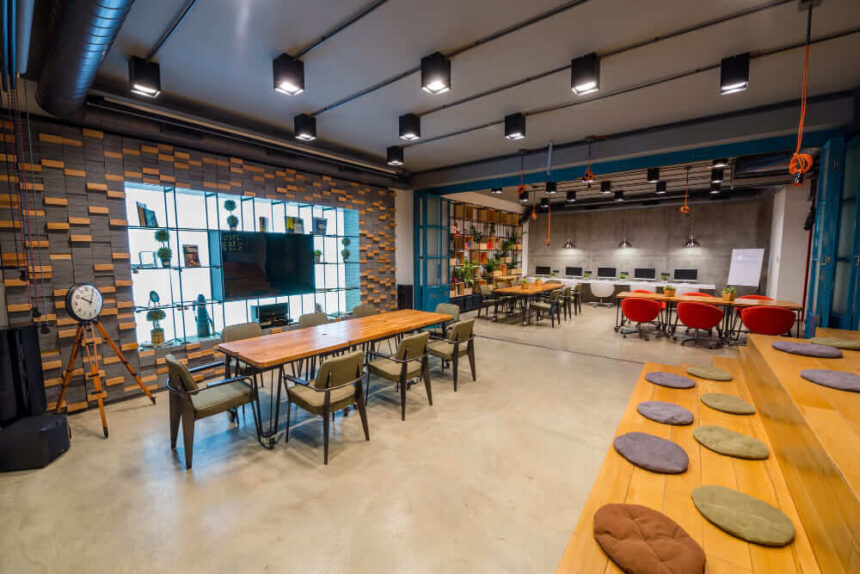
Thoughtful workplace design plays a direct role in how employees feel about their daily work experience. The physical environment shapes comfort, focus, and overall morale in ways that leadership decisions alone cannot offset. When employees interact with well-planned spaces, they feel considered, respected, and supported throughout the workday.
Organizations that invest in design often see measurable improvements in satisfaction, retention, and productivity. These outcomes stem from environments that reduce friction, support health, and align with employee expectations. Workplace design extends beyond desks and meeting rooms. It includes every shared space employees rely on during the day.
Employee satisfaction depends on consistency. When design choices reflect usability, cleanliness, and comfort across the entire facility, employees experience fewer frustrations and distractions. Over time, these details influence how employees view their employer and their willingness to stay engaged.
The relationship between design and employee well-being
Workplace design affects mental and physical well-being in measurable ways. Natural light exposure supports better sleep cycles and improved mood. Ergonomic layouts reduce physical strain and discomfort. Clear navigation lowers daily stress levels, especially in larger facilities.
Employees spend a significant portion of their day inside work environments. Poor design compounds fatigue and frustration over time. Thoughtful design, by contrast, reduces cognitive load and supports steady performance. These effects accumulate and directly influence satisfaction scores.
Well-designed environments also support inclusivity. Accessible layouts, clear signage, and equitable facilities signal respect for all employees. When staff feel the environment accommodates their needs, trust in the organization grows.
Design consistency across the full workplace
Consistent quality across all areas is essential for employee satisfaction. The perception of the workplace is equally influenced by shared spaces such as break rooms, corridors, and facilities, as it is by individual workstations. A noticeable discrepancy between well-maintained offices and neglected support areas erodes employee trust.
Maintaining high design standards throughout the facility signals leadership’s commitment to quality, reinforcing organizational values. This consistency boosts employee morale and fosters a sense of pride in the workplace.
Furthermore, shared spaces are central to employees’ daily routines, often more so than their personal desks. Well-planned layouts in these common areas minimize confusion, reduce congestion, and save time. Employees appreciate spaces that function efficiently without requiring constant workarounds or becoming a source of complaints.
Efficiency through functional layouts
An efficient workspace design directly contributes to higher employee satisfaction by eliminating common daily frustrations. Thoughtful, functional layouts are crucial as they minimize unnecessary movement and waiting times, while clear pathways prevent congestion, particularly during peak usage periods. This enhanced efficiency saves employees valuable time and significantly reduces irritation.
To achieve this functionality, designers must observe and plan based on real-world behavior, focusing on traffic patterns and usage frequency. When the physical environment aligns with how employees actually use the space, movement becomes seamless rather than stressful.
Ultimately, efficiency also serves as a strong catalyst for productivity. When employees spend less time navigating a poorly structured environment, they have more time to focus on their core tasks. These incremental gains, accumulated over weeks and months, result in measurable improvements in overall performance.
Comfort as a baseline expectation
Employee comfort is now an expectation, not a luxury. A supportive physical environment encompassing seating, lighting, temperature, and acoustics is fundamental to the employee experience.
Disregarding comfort issues, such as excessive noise, harsh lighting, or temperature extremes, signals a lack of concern for employees and rapidly diminishes their satisfaction. Even high-performing teams will struggle in an uncomfortable setting.
Effective design centers on balance and intentionality. Lighting should facilitate both focus and rest. Temperature controls must adapt to activity and occupancy. Acoustic strategies should minimize disruption while also minimizing isolation of individuals. These thoughtful choices convey a commitment to professionalism and employee well-being.
Privacy and respect in shared spaces
Maintaining employee dignity is closely tied to privacy, making thoughtful design essential for shared spaces. To prevent discomfort or embarrassment, attention must be paid to visual barriers, sound control, and adequate spacing. These design details are critical for employee security and satisfaction, even if rarely discussed openly.
Strategic planning for shared facilities must prioritize both functional needs and emotional comfort. By addressing privacy without sacrificing efficiency, organizations can build trust in the environment, which significantly improves overall employee satisfaction.
Cleanliness, hygiene, and perception of care
Clean environments signal organizational competence. Employees associate cleanliness with safety, professionalism, and respect. Design influences how easily spaces remain clean throughout the day.
Materials and finishes affect maintenance effort. Durable surfaces resist wear and simplify cleaning routines. Touchless features reduce contact points and support hygiene standards.
One effective way organizations address these concerns involves targeted upgrades informed by modern commercial bathroom design ideas, which focus on hygiene, privacy, and durability while supporting smooth daily use. Thoughtful integration of these concepts improves employee perception without disrupting workflows.
Sustainability and employee values
Employees increasingly value environmental responsibility. Sustainable design choices influence satisfaction by aligning with personal values. Water efficiency, material sourcing, and energy use matter to modern workforces.
Design communicates priorities, and sustainable features signal long-term thinking and corporate responsibility. Employees notice when organizations invest in efficiency rather than short-term cost savings.
Environmentally responsible design also improves comfort. Efficient systems regulate temperature and air quality more effectively. These improvements support both sustainability goals and employee well-being.
Feedback-driven design decisions
Employee satisfaction improves when organizations listen. Gathering feedback before and after design changes reveals real needs and preferences. Surveys, focus groups, and usage data provide actionable insights.
Design decisions based on assumptions often miss the mark. Feedback ensures investments address actual pain points. Employees feel valued when their input shapes the workplace.
Ongoing evaluation matters. Design effectiveness changes as teams grow or workflows evolve. Regular feedback cycles help organizations adapt without major disruptions.
Long-term impact on retention and engagement
Thoughtful workplace design influences how employees evaluate their employer. Positive daily experiences strengthen loyalty and engagement. Poor design accelerates burnout and turnover.
Retention improves when employees feel comfortable and supported. Design contributes silently but consistently to this perception. Employees often cite environmental quality when discussing job satisfaction.
Engaged employees perform better and advocate for the organization. Design investments support these outcomes by reinforcing a culture of care and professionalism.
Conclusion
Thoughtful workplace design shapes employee satisfaction through comfort, efficiency, privacy, and consistency. Every shared space contributes to daily experience and long-term perception. Organizations that prioritize design create environments where employees feel supported, respected, and motivated to perform.