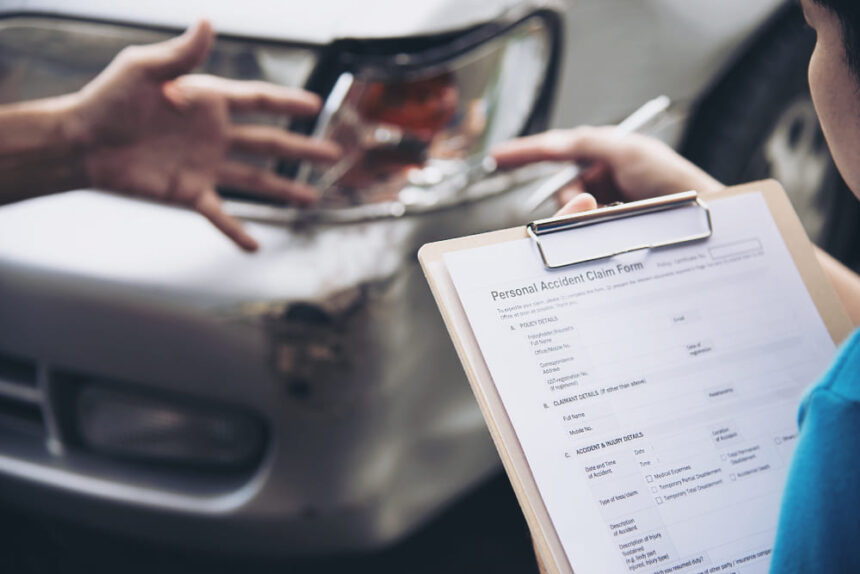
The outcome of your car accident claim with GEICO depends primarily on the strength of your evidence. The business thoroughly examines every detail to ascertain the fault, damages, and how much compensation you are owed.
Grasping the importance of each aspect can significantly influence the timeline and monetary outcome your case will have. If you are aware of the secrets of GEICO accident claims, you can expect and prepare the documentation needed to support a claim.
Understanding GEICO’s Approach to Claims.
GEICO’s adjusters operate in a system that is made to protect the company. They apply rules strictly and rely upon evidence heavily to verify the genuineness of every single claim. Everything you provide will help determine the value of your case, including the photographs, statements, and medical records you provide.
Although the procedure is easy, it is more complicated than it appears. This is because adjusters look at what happened in the accident and how those facts fit with company policy and data models.
1. Police Reports and Witness Statements
One of the first pieces of evidence GEICO tends to review is the police report. The officer’s evaluation of the scene, citation issuance, and the preliminary attribution of blame are all included. If the police report states that the other driver was at fault for the accident, your claim is quite strong.
2. Photos and Videos Matter
One of the most persuasive components of any car accident claim is visual evidence. Insurance adjusters typically utilize photos or videos to analyze the damage to the automobile, weather conditions, road hazards, and the force of the impact. Having dashcam footage is even better proof of how the accident happened in real time.
Make sure to add pictures from different angles of both vehicles, the area surrounding the accident, skid marks, and injuries visible on your body. This documentation allows GEICO to better determine if your account matches the physical evidence and may help you get a higher settlement.
3 . Medical Records and Treatment Documentation
Contacting a doctor right after your accident is crucial not just for your health but also because it helps your claim. GEICO will examine your medical records, bills, and treatment plans to evaluate the extent of your injuries and their correlation to the accident.
They pay attention to several factors, like
- The timing of your medical visits after the accident.
- The consistency of your symptoms and treatment.
- Whether or not medical personnel will associate your injuries with the accident.
- Delaying care or a gap in treatment can result in questions, which can reduce the damages.
4. Repair Estimates and Vehicle Damage Reports
To compute property damage, GEICO considers repair estimates, reports from mechanics, and appraisals. The firm might dispatch its own claims adjuster to inspect your vehicle, so it is smart to keep everything your shop gives you.
If their estimate is significantly different from GEICO’s, you may need supporting evidence to back up your claim. Supporting evidence could be before-and-after photos, an independent inspection, or something else that bolsters your position.
5. Digital and Recorded Evidence
Claimants are now often relying on electronic evidence to prove their claim, such as GPS data. Timestamps on messages show that you were not distracted, while the GPS log will show your location and the route taken. Adjusters may request this type of information when fault is unclear or if they suspect contradictions.
Conclusion
By collecting and organizing good evidence early on, you can avoid lengthy delays in the proceedings and strengthen your case. If you keep things very thorough and consistent, that’s when GEICO will have a hard time undermining your losses or disputing your story.