In a marketplace where attention is scarce and customer expectations evolve rapidly, businesses are turning to immersive technologies to stand out. One of the most lucrative innovations is the 3d showroom, a digital space that allows customers to explore products interactively—boosting engagement, increasing conversion rates, and significantly reducing the costs associated with physical display environments.
For decades, customer experience was limited by the constraints of physical retail or static e-commerce imagery. Today, however, the shift to immersive digital environments is redefining what it means to shop, browse, and evaluate a brand. The 3d showroom sits at the intersection of convenience and innovation, giving customers the ability to view products from every angle, interact with them in real time, and make more confident purchasing decisions. For businesses, this means fewer returns, higher customer satisfaction, and the ability to showcase even the most complex or customizable offerings without traditional space limitations.
Why Immersive Showrooms Are Becoming a Business Essential
The rise of 3D and virtual showrooms is not just a trend—it is a strategic response to new consumer behavior. As online shopping continues to dominate, shoppers now expect experiences that feel as tangible as visiting a store. The demand for richer product visualization has accelerated across industries such as furniture, automotive, real estate, fashion, and industrial equipment.
What makes the 3d showroom especially compelling is its blend of realism and scalability. A brand can present its entire product ecosystem — including items that may not yet exist physically — through virtual mockups. This capability dramatically compresses product development cycles, accelerates sales cycles, and reduces the overhead tied to physical prototypes and showroom displays.
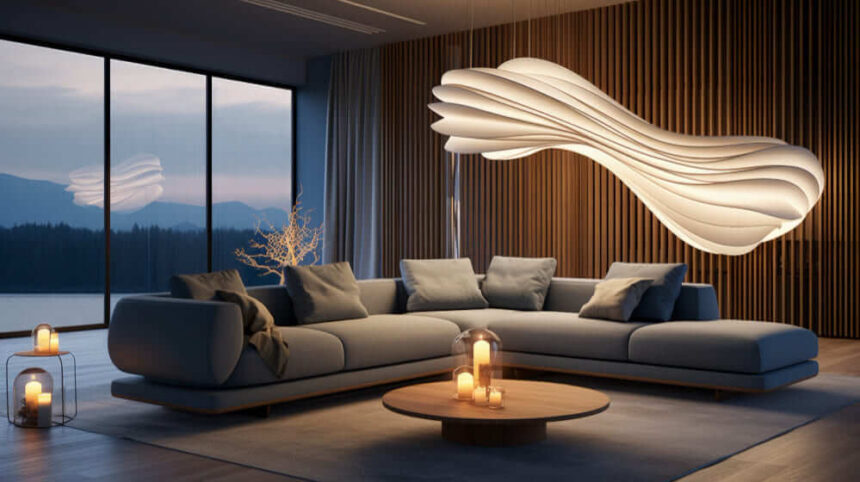
In sectors like furniture and home improvement, customers can compare finishes, rotate pieces, change lighting conditions, or view an item in context. In the automotive industry, prospective buyers can customize a vehicle with detailed precision, viewing each change—from upholstery stitching to wheel style—in real time. Real estate developers now offer virtual walkthroughs of units that haven’t broken ground, helping sell properties months or years ahead of schedule.
Cost Efficiency Meets Creative Flexibility
The business case for a 3d showroom extends far beyond improved customer engagement. Companies embracing immersive showrooms can substantially reduce operational costs that traditionally accompany physical merchandising.
A single virtual showroom can replace dozens of physical mockups, enabling global teams to collaborate on product design and marketing without traveling or shipping samples. The cost of updating a display is also significantly lower — instead of building new sets or staging rooms, brands simply update digital assets. This agility allows companies to react faster to trends and consumer insights.
Additionally, 3d showrooms offer unprecedented flexibility. Because they operate digitally, they can display complex configurations, seasonal collections, and custom combinations without requiring extra space or inventory. This dynamic adaptability helps brands present themselves as modern, innovative, and customer-centric.
Data: The Secret Advantage Driving ROI
Perhaps one of the greatest advantages of 3d showrooms is their ability to generate deep behavioral insights. By tracking how users interact with the environment, companies can pinpoint exactly which features attract attention, where customers spend the most time, and which configurations are leading indicators of intent.
This data becomes a powerful tool for refining product lines, improving merchandising strategies, and personalizing marketing. Instead of relying solely on surveys or sales outcomes, brands can make decisions based on real-time, behavior-driven analytics.
Moreover, integrating 3d showrooms with CRM and AI systems enables businesses to offer personalized recommendations, dynamically adapt the showroom layout for each user, and optimize visual merchandising at scale.
Elevating Customer Experience Across All Touchpoints
3d showrooms aren’t just transforming ecommerce—they are improving the entire customer journey. Sales representatives can use virtual showrooms during consultations to demonstrate features more effectively. Retail stores can incorporate touchscreen kiosks, enabling customers to explore full collections that may not fit on the floor. Even customer support teams can leverage 3D models to resolve product-related questions more efficiently.
The technology also enhances storytelling, allowing brands to showcase craftsmanship, production details, or lifestyle imagery in immersive formats. This elevates the brand experience and fosters stronger emotional connection with consumers.
The Future: Hybrid Retail Powered by Immersive Technology
As augmented reality (AR), virtual reality (VR), and AI continue to evolve, the role of the 3d showroom will only grow. We are heading toward a hybrid retail model where customers fluidly move between digital and physical experiences. A shopper might explore a product in a 3d showroom online, try it virtually in their home using AR, and then finalize the purchase in a traditional store — or complete the entire journey digitally.
The most forward-thinking brands are not waiting for this future; they are building the infrastructure today. By adopting 3d showrooms early, businesses gain a competitive edge, deepening customer trust and positioning themselves at the forefront of experiential commerce.
Conclusion
The 3d showroom has quickly become a cornerstone of modern retail strategy, offering businesses a compelling mix of innovation, cost efficiency, and customer-centric design. As consumer expectations rise and digital experiences grow more immersive, companies that integrate 3d showrooms into their ecosystem will be better equipped to capture attention, accelerate sales, and scale globally. In an increasingly competitive landscape, immersion is not just the future of retail — it is the new standard.