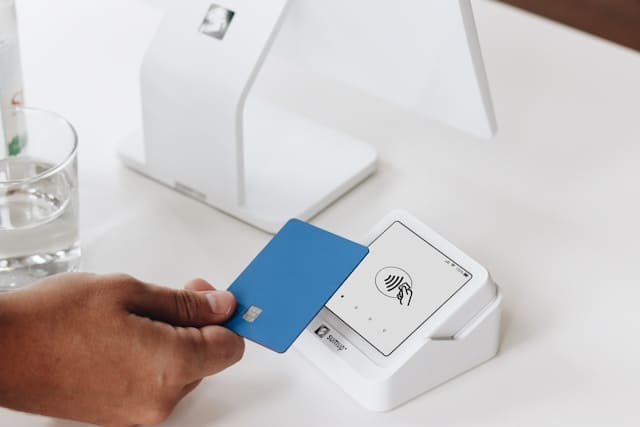
The way Americans pay for goods and services is evolving rapidly. Just a decade ago, most consumers relied on cash or plastic credit cards. Today, mobile payments, digital wallets, and virtual credit cards are reshaping the financial landscape.
One of the hottest questions is whether virtual credit cards—digital card numbers designed for secure online and mobile use—could eventually replace the need for physical wallets altogether. With growing concerns about fraud, convenience, and the rise of contactless payments, many U.S. consumers are already exploring this shift.
So, can virtual credit cards truly replace physical wallets? Let’s explore what they are, how they work, their benefits, limitations, and the future of digital payments in the U.S.
What Are Virtual Credit Cards?
A virtual credit card (VCC) is a temporary, digital-only card number generated by your bank or card issuer. It’s linked to your actual credit account but shields your real card number from merchants.
Key features include:
- Unique card numbers (often single-use or limited-time)
- Customizable spending limits
- Expiration dates you control
- Integration with digital wallets like Apple Pay or Google Wallet
While originally designed for safer online shopping, many virtual cards can now be used for in-store purchases through mobile payment apps.
Why Americans Are Turning to Virtual Credit Cards
Several trends are fueling the adoption of VCCs in the U.S.:
- Fraud Protection – Credit card fraud cost Americans nearly $13 billion in 2023, according to Javelin Strategy & Research. Virtual cards minimize risk by protecting your real number.
- Subscription Management – Tired of unwanted charges? You can use a virtual card with a short expiration date for streaming services or trials.
- Contactless Payments – Post-pandemic, U.S. consumers have embraced tap-to-pay. Virtual cards in wallets like Apple Pay allow for seamless checkout without physical plastic.
- Privacy and Control – Virtual cards let you limit where and how your card is used, providing more control than traditional credit cards.
How Virtual Credit Cards Could Replace Physical Wallets
1. Security Advantages
Physical wallets carry risks: losing them means losing your IDs, credit cards, and sometimes cash. With virtual cards stored on your smartphone or smartwatch, your payment method is protected by biometric security (face ID or fingerprint).
Even if a hacker obtains your virtual card number, its limited lifespan and spending caps make it nearly useless.
2. Integration with Digital Wallets
Most major U.S. banks—including Capital One, Citi, and American Express—offer virtual credit cards that can be linked directly to Apple Pay, Google Wallet, or Samsung Pay.
This means you don’t even need a plastic card in your pocket. Simply tap your phone at the register, and the virtual card handles the rest.
3. Convenience for Online Shopping
Physical cards are prone to fraud when entered into websites. Virtual cards eliminate this by providing a “mask” number that’s safe to use online. With e-commerce representing nearly 15% of all U.S. retail sales in 2024, this is becoming a must-have.
4. Expense Management
For businesses and freelancers, virtual cards allow better expense control. You can create a unique virtual card for each vendor or subscription, making it easier to track spending. This feature could make carrying multiple physical cards obsolete.
Where Virtual Credit Cards Still Fall Short
Despite their advantages, VCCs are not yet a complete replacement for physical wallets in the U.S.
- Acceptance Gaps – Not all merchants accept mobile payments. Some smaller retailers, especially in rural areas, still require a physical card.
- Dependence on Technology – If your phone battery dies, or you lose internet access, you may be unable to use your virtual card.
- Limited Issuer Availability – While Capital One and Citi are leaders, not every U.S. bank or credit union offers virtual card options.
- Identification Needs – Physical wallets still hold IDs, driver’s licenses, and other essentials that virtual cards can’t replace.
- ATM Withdrawals – While some ATMs support cardless access, many still require a physical debit or credit card.
The Future of Virtual Credit Cards in the U.S.
The U.S. payment system is gradually shifting toward digital-first solutions. A few developments suggest that virtual cards may soon rival or even surpass physical ones:
- Digital Driver’s Licenses: States like California, Arizona, and Colorado are piloting mobile driver’s licenses that could eventually replace the need for carrying IDs.
- Neobank Growth: Digital-first banks like Chime, Current, and Revolut already push virtual-first payment methods.
- Consumer Preference: According to Mastercard, 74% of U.S. consumers now use contactless payments regularly.
- AI & Fraud Prevention: Advanced fraud detection tied to virtual cards could make them even safer than chip-enabled physical cards.
Practical Tips for U.S. Consumers Considering Virtual Cards
- Check if Your Bank Offers Them – Capital One, Citi, and American Express all provide virtual card options.
- Use Them for Subscriptions – Set expiration dates to avoid recurring unwanted charges.
- Link to Mobile Wallets – Add your virtual cards to Apple Pay or Google Wallet for in-store use.
- Keep a Backup Physical Card – Until adoption is universal, always carry one card for emergencies.
- Stay Updated – Payment technology is evolving quickly; watch for digital ID rollouts and broader merchant acceptance.
Final Verdict: Can Virtual Cards Replace Physical Wallets?
Not yet—but they’re getting closer.
In the U.S., virtual credit cards already provide safer online shopping, easier subscription management, and convenient mobile payments. They are especially powerful when paired with digital wallets, allowing consumers to leave their physical cards at home in many situations.
However, until mobile IDs become mainstream, ATMs universally support cardless access, and every merchant accepts digital payments, physical wallets still have a role.
That said, the trend is clear: over the next decade, virtual credit cards may not just complement physical wallets—they may replace them entirely for millions of Americans.