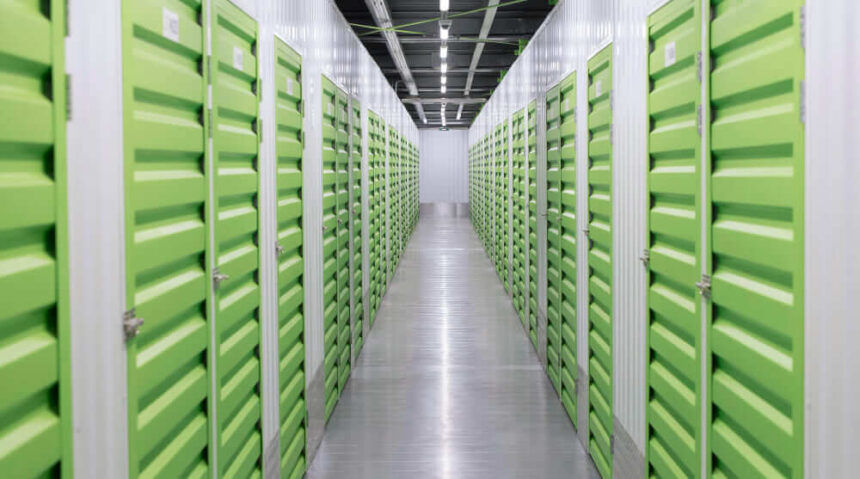
Renters and business proprietors have the common problem of having more space than they have left at the expiration of a lease. Holiday items, bulky equipment, or just everyday overflow create a circumstance for which unlimited square footage appears a fantasy. An expensive and frequently unwanted fix is to extend a lease. Flexible storage offers a more savvy solution by delivering space as needed without the obligation of aditional rent. By relocating items into secured off-site storage, families and business proprietors have the leeway of having primary spaces free and clutter-free and access to items they own.
Historical Note: Flexible overflow traces its origins to early business. Medieval merchants in Europe used to have auxiliary storage yards or warehouses to accommodate excess goods until they were needed at the market. The practice served them well in responding easily to changes in need without having to incur for permanent larger spaces. Flexible storage solutions of today follow the tradition by allowing individuals to manage overflow efficiently without having to expand on leases.
Why space gets tight
It doesn’t take long for a space to feel too small. Households accumulate furniture, seasonal décor, and hobby gear, while businesses stack up with documents, inventory, or equipment. Before long, rooms feel cluttered, and working or living comfortably becomes difficult. Instead of paying for a bigger lease, flexible storage provides a solution that adjusts to your needs. With wine storage and climate controlled units in San Jacinto, CA, you can protect delicate belongings while freeing up valuable space. This approach keeps your main area neat while giving peace of mind that important items are safe and accessible.
- Seasonal items that only see use a few times a year
- Bulky equipment or supplies that crowd daily areas
- Valuable or sensitive belongings that require protection
By shifting these items into a secure, climate-managed space, you reduce clutter, extend the lifespan of your belongings, and avoid the financial strain of leasing more square footage.
Risks of cramming in
- Overcrowding reduces comfort and productivity.
- Stacked items increase risks of damage or accidents.
- Sensitive belongings may deteriorate in poor conditions.
- Clutter creates stress and makes daily tasks harder.
Observation: A small business owner tried fitting all their extra stock into the back office. Boxes piled up to the ceiling, leaving little space for employees to work safely. Items were lost or damaged, and productivity dropped. Eventually, they moved overflow stock into flexible storage, which freed the office space and boosted morale.
Cramming too much into limited space rarely works. Safe, organized overflow ensures a better balance between storage and everyday living or working.
Benefits of flexible storage
People often wonder how flexible storage works and why it is better than expanding a lease. Here are a few common questions with clear answers.
What is the best way to use flexible storage?
The best approach is to identify what you do not need daily and move those items off site. Seasonal goods, spare furniture, and archived files are perfect for flexible storage since you can access them when needed without letting them crowd your main space.
How does flexible storage save money?
Expanding a lease often means committing to long-term costs, even if you only need extra space temporarily. Flexible storage allows you to pay only for what you use, making it a cost-effective solution.
Is it safe to store valuable or sensitive items?
Yes, many storage units are climate controlled and secure, protecting electronics, wine, documents, or delicate belongings from damage.
By choosing flexible storage, both households and businesses gain freedom, save money, and protect important items without the burden of a larger lease.
What belongs off site
Deciding what to store off site makes your living or working space more efficient. The key is to move items that are valuable but not used every day.
- Store seasonal decorations or bulky clothing
- Move archived files or paperwork off site
- Keep extra furniture or large equipment outside
- Protect electronics, artwork, or wine in climate units
- Place bulk supplies in labeled bins for easy access
These steps make everyday life easier. By keeping your main space clear and organized, you stay more productive, safe, and relaxed.
Tips for better overflow
The local retailer described how flexible storage made a difference in how they conducted business. The owner’s front storefront was packed to the ceiling for decades with seasonal products. Holiday products went into the back room by necessity, and staff could not move throughout limited aisles. The customers perceived the congestion, and sales suffered. The lease could not be expanded due to budget.
They decided to give flexible storage a try. The seasonal goods went into a climate-controlled unit, labeled and marked for quick retrieval. By making the switch, the salesroom became open, and the store’s environment looked appealing again. Staff flowed more efficiently, and customers responded favorably to the clean look. The store saw less damage, less trouble, and a more comfortable working environment.
Firms adopting flexible storage see 45 percent space usage improvement compared to storing products on-site
This illustration proves that flexible storage is a savvy alternative to leasing expansion. It provides security, access, and organization without surcharges.
Final thoughts
Overflow is a challenge for both households and businesses, but it does not always require bigger leases or higher rent. By choosing flexible storage, you can create space, protect belongings, and keep daily areas functional. It is a practical solution that adapts to your needs, whether temporary or long-term. Flexible overflow without expanding the lease helps people save money, reduce stress, and enjoy better organization, proving that the right storage choice can make life easier and more efficient.