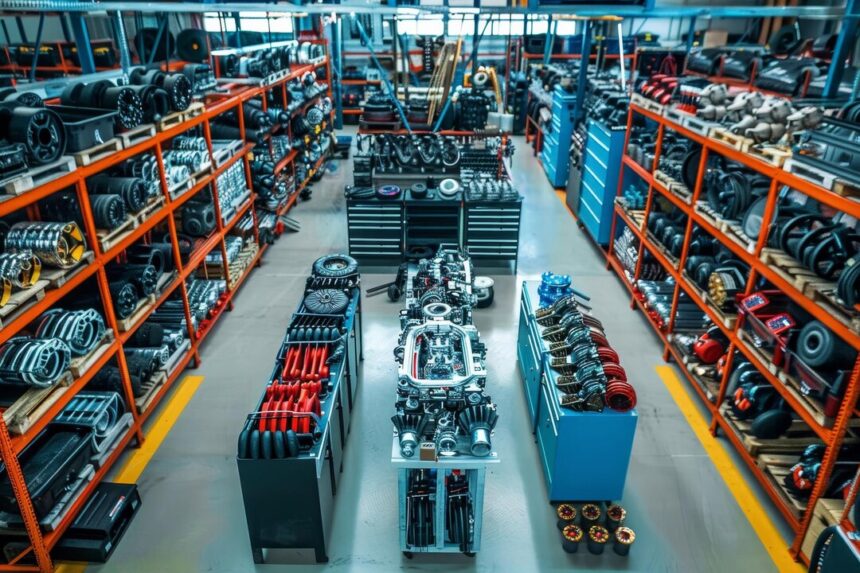
Lately, there’s been a lot of talk about Pep Boys potentially vanishing from American roads. If you’ve cruised by one of their old stores only to see it shuttered, you might’ve wondered if the chain is really on the way out. Let’s break down what’s actually happening, including why people are so curious and what’s next for this well-known name in car care.
So, Why All the Rumors?
It’s true: Pep Boys has closed a lot of stores. Over the past few years, hundreds of their retail auto parts locations have disappeared—especially in areas where walk-in sales just weren’t strong. Sizable “Going Out of Business” signs have popped up in big cities and sleepy suburbs alike.
At the time, these closures got people talking. Social media comments started to pile up, along with news stories mentioning chain-wide sales, layoffs, and changes in ownership. It’s no surprise so many drivers and do-it-yourself mechanics have been left scratching their heads.
But is Pep Boys actually closing altogether? The quick answer is: no, it isn’t. The real story is more complicated, and also more interesting.
The Company Isn’t Vanishing—Just Changing Direction
Pep Boys is still around, but it looks a lot different from the chain you grew up with. For decades, they were the go-to spot for DIY car repairs and quick stops for everything from spark plugs to wipers.
That’s changed. Over the past few years, Pep Boys leaders decided to move away from old-school retail and focus on providing car repair and maintenance services. Instead of a mix of retail products and services, most shops are now focused almost entirely on things like oil changes, tire rotations, brake work, and inspections.
A lot of that pivot comes down to business basics: what people want—and how they like to buy it—has shifted. With big-box auto parts stores expanding, and online shopping making it easier to get parts shipped right to your doorstep, foot traffic for retail car parts just isn’t what it used to be.
Pep Boys saw where things were going. They opted to get ahead of those trends rather than try to fight them. By pulling back from retail, they hope to double down on areas where they can still offer something unique: trusted, in-person car service.
The Reality Behind the Closures
It’s not just customers feeling these changes. Behind the scenes, closing all those retail locations has been a massive project. Some communities lost their only Pep Boys store, and with it, a bit of local flavor and convenience. Staff cuts happened at many shops, too, and longtime employees were affected.
But shutting down stores doesn’t always mean a company is collapsing. In Pep Boys’ case, this is more like a controlled retreat. They’re closing the doors where retail just isn’t profitable and putting serious resources into modernizing the service centers that remain open.
Even after all these closures, Pep Boys still runs a good number of locations across the United States. Most of these focus on car repairs, tire sales, and maintenance services—not so much on selling spark plugs and wiper blades off the shelf.
What Do Today’s Pep Boys Stores Actually Do?
If you haven’t been to a Pep Boys lately, it might surprise you. Instead of aisles of car polish and air filters, you’ll mostly find service bays and waiting areas.
Their focus now is solidly on car care. You can get routine oil changes, new brakes, battery checks, tire installations, and all those not-so-glamorous fixes most of us can’t or don’t want to do ourselves. Some locations still sell a small selection of parts and accessories, but that’s nowhere near what they used to carry.
So, if you’re the kind of person who likes to wrench on your own vehicle at home? You’ll probably have fewer reasons to visit Pep Boys. But if you want a trusted place to get your car running right, their shops across the country are still in business, turning wrenches every day.
Why Did Pep Boys Change Course?
It wasn’t just one problem that pushed Pep Boys to make this big shift. The auto industry as a whole is under serious pressure from changes in how people shop, what kinds of cars are on the road, and even how long people are keeping their vehicles.
Big competitors like AutoZone and O’Reilly dominate the retail parts market, while Amazon and other online giants can undercut prices on routine items. With shrinking sales from walk-in customers, it just didn’t make sense for Pep Boys to keep trying to be everything to everyone.
By focusing on service, they’re betting on something harder for digital competitors to match: hands-on repairs, face-to-face advice, and local expertise. Most car owners still need someone trustworthy to replace their brakes, align wheels, or troubleshoot weird dashboard lights. That’s the gap Pep Boys aims to fill.
Who Owns Pep Boys Now?
If you aren’t following business news closely, you might have missed that Pep Boys was bought by a big holding company several years ago. Back in 2016, billionaire investor Carl Icahn’s company—Icahn Enterprises—acquired Pep Boys, taking it private and away from the constant glare of Wall Street.
Since going private, Pep Boys doesn’t have to post its results every quarter or answer to outside stockholders. Instead, Icahn’s team has kept its focus on restructuring—slimming down in some places and investing in service capacity where it makes financial sense. Icahn Enterprises itself has seen ups and downs, too, with some belt-tightening in other divisions, but nothing that signals Pep Boys is about to vanish.
The big benefit of this setup? There’s less public drama. Without earnings calls and daily market speculation, the company has been able to make strategic moves more quietly—both good and bad.
Financial Pressures and the Industry Picture
To be clear, things haven’t been easy. Even after closing so many retail stores, Pep Boys has struggled at times with things like same-store sales declines and higher operating costs. The car care market is tough, especially when drivers hold onto their vehicles longer and new cars come with longer warranties.
However, as of now, there’s no sign of bankruptcy or a total corporate collapse. Instead, what we’re seeing is a slow, sometimes challenging reinvention. Pep Boys is trying to figure out its role among a mix of online sellers, specialty shops, and factory service centers.
For anyone watching the auto service business, that’s not an unusual story right now. Lots of other names from the same era—Sears Auto Centers, for example—have disappeared entirely. Pep Boys is still here, just not chasing after every market at once.
Clearing Up Common Misunderstandings
If you Google “Is Pep Boys going out of business?” you’ll get loads of hits. Many articles come from newspapers that covered big regional store closures, or from forums where folks bond over shared memories of shopping the aisles.
What’s missing in these quick headlines is the context. Yes, lots of stores closed, but the chain is still going. No, they aren’t about to disappear overnight. What’s really vanishing is the old model of auto parts retail—the stuff your parents remember.
Think of it like this: You might not be able to drop by and grab a headlight bulb at your neighborhood Pep Boys, but you can probably still schedule a brake job or have your tires rotated at one of their shops. The signs outside might look the same, but what’s inside is much more about skilled labor than stocking shelves.
Pep Boys, by the Numbers
Here’s a quick breakdown of what’s really happening with Pep Boys:
| Aspect | 2024–2025 Status |
|————————-|———————————————-|
| Business model | Transitioned to service and repair focus |
| Store closures | Many retail locations closed |
| Remaining operations | Service centers remain open nationwide |
| Financial stability | No bankruptcy; restructuring under Icahn |
| Future outlook | Continued service operations, fewer retail |
So, if someone tells you “Pep Boys is history”—they’re only half right. The chain you remember is gone, replaced by a new approach focused on services, not auto parts retailing.
What Does the Future Hold for Pep Boys?
If you keep an eye on car care chains or follow how large brands reinvent themselves, Pep Boys is a pretty classic case. They’re choosing to adapt rather than try to force a business model that’s clearly fading.
Some smaller locations might still close in the years ahead, and there could be more tweaks to their lineup. At the same time, we might see new investment in service tech, customer experience, or even partnerships with other auto companies. Right now, Pep Boys shows no signs of an abrupt shutdown—it’s more like a steady remaking of what they do best.
If you like reading about these kinds of business pivots or want to keep up with other retail brand changes, you can find more stories and insights over at Blue Business Mag.
The Bottom Line—Where Things Stand Right Now
In short, Pep Boys is not going out of business. The stores are just doing different things than before. Where you once found aisles of shiny wax and floor mats, you’ll now find lifts, technicians, and appointment-only repairs.
It’s the end of the line for the big-box auto parts format at Pep Boys, but not the end for the company itself. They’re trimming down and doubling down on services that still matter to most car owners. If a time comes when bigger changes hit—like a sale, merger, or even finally winding down completely—you’ll hear about it. For now, though, Pep Boys is still open, still fixing cars, and still figuring out what “car care” looks like in a new era.
Also Read: