People don’t just want to buy things anymore. They want to create things. This is especially true for our biggest purchases. Customization is no longer a luxury. It’s an expectation. It changes a transaction into a collaboration. This shift has a huge impact on how customers feel about a brand. When you help design something, your relationship with it deepens. You become invested. This is a powerful force for building loyalty. Let’s look at why that happens.
The First Step: Emotional Ownership
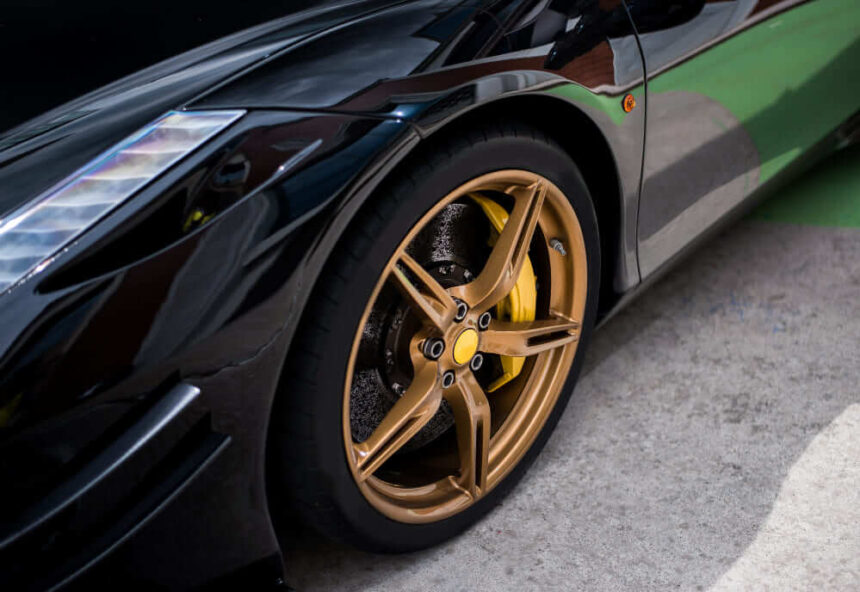
Standard products are forgettable. Personalized products are not. The act of choosing creates a story. It starts with simple aesthetic selections. Even a small custom detail makes an item feel special. It feels unique to you. This emotional connection is immediate. It’s stronger than any advertisement. For a car owner, this might mean personalizing their vehicle’s look. Choosing the perfect accessory makes it theirs. Selecting a set of distinctive Chevy rims 22 for a truck is a good example. This choice reflects their personal style. They didn’t just get a truck. They helped finish its design. This builds pride from the very beginning. That pride is a loyalty anchor.
Beyond the Surface: Functional Personalization
True customization goes deeper than color. It enters the realm of function. This is where loyalty gets locked in. Customers can tailor the product to fit their exact needs. A software platform lets them set unique workflows. A shoe company lets them design for their specific arch. This solves a personal problem. The product becomes a perfect tool for their life. Switching to a competitor seems foolish. They would lose their perfect setup. They would need to start the customization process all over again. This creates a very practical form of loyalty. It’s built on convenience and perfect fit.
The Investment Principle: Sunk Costs and Identity
Customization requires an investment. This isn’t just money. It’s time and mental energy. People spend hours configuring their ideal product. They learn the customization system. This effort becomes a sunk cost. They are less likely to abandon the product later. Their personal identity also gets involved. Their choices reflect their taste and priorities. The product becomes a part of their self-expression. Abandoning the brand feels like abandoning a part of themselves. This is a profound psychological bond.
Creating Brand Collaborators
Customization changes the customer’s role. They stop being passive consumers. They become active collaborators. They work with the brand to create the final product. This partnership builds immense goodwill. Customers feel heard and valued. They see the brand as an enabler of their vision. This fosters a sense of community and shared purpose. The brand is no longer a distant corporation. It is a creative partner. Loyalty to a partner is much stronger than loyalty to a supplier.
The Data-Driven Loyalty Loop
Every customization choice is data. Smart companies use this information brilliantly. They learn what their customers truly want. They can then suggest complementary products. They can offer new features based on popular choices. This makes future interactions feel incredibly intuitive. The brand seems to understand the customer personally. This personalized experience is very rewarding. It makes the customer feel known. It encourages repeat engagement. Each interaction reinforces the relationship. This creates a powerful, self-perpetuating loyalty loop.
The Community Multiplier Effect
Customization often builds communities. People love to share their creations. They seek validation and inspiration from others. Brands can foster these communities. They can provide platforms for sharing. They can host contests or spotlight user designs. This transforms individual loyalty into a group phenomenon. Customers are loyal to the brand and to each other. The social connections become another reason to stay. Leaving the brand would mean leaving the community. This is a very powerful retention tool.
Navigating the Paradox of Choice
Customization must be guided. Too many options create anxiety. This is the paradox of choice. Successful brands curate the experience. They offer meaningful choices without overwhelming. They provide smart defaults and helpful recommendations. They make the process fun, not stressful. A smooth customization journey builds positive feelings. It associates the brand with creativity and ease. A frustrating process does the opposite. It can drive customers away for good. Execution is everything.
The Lifetime Value of a Co-Creator
A customer who customizes is a different customer. They are more engaged. They are more emotionally invested. They are more likely to become brand advocates. They will defend their choices to friends. They will show off their personalized products. Their lifetime value skyrockets. They buy more accessories. They return for future products. They trust the brand with new needs. This loyalty is built on a foundation of personal investment. The customer didn’t just buy a product. They helped build it. And you never walk away from something you helped build.