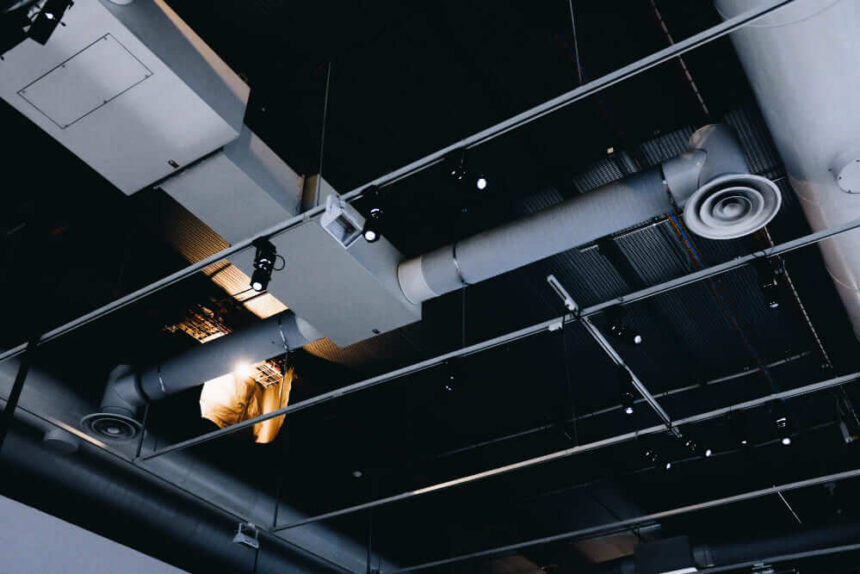
Installing commercial HVAC is a big project that takes a lot of planning and careful work. All projects have their specifications, deadlines, and expectations. The systems have been created to offer comfort as well as safety in addition to durable outcomes. The successful completion of HVAC projects is greatly dependent upon the following: clarity, coordination, and preparation. Here are practical steps in the following guidance to simplify each phase of installation.
Assessing Needs and Setting Goals
Project success starts with what the building needs. Comprehensive assessments identify heating, cooling, and ventilation requirements. Looking through architectural plans could tell you a lot about potential weaknesses and opportunities. Going through a commercial HVAC installation guide and setting clear goals early helps direct all decisions made. The project uses these goals as reference points to avoid confusion and maintain focus.
Choosing the Right System
Choosing proper HVAC equipment isn’t a straightforward process. Choices are also influenced by the number of square feet in a building, how people use the building, and the local climate. Also, the choice should depend on energy-efficiency ratings, noise levels, and how much maintenance they demand. One may ensure the available solution matches exactly the requirements of the building by consulting experienced engineers and technicians.
Developing a Detailed Project Plan
A detailed plan describes how each step of the installation goes. Establishing tasks, timelines, and responsibilities guarantees everyone’s alignment and accountability. You also have to think about access to the building, delivery of materials, and coordination with other trades when you plan the work schedule. Preparing for potential setbacks keeps the project on the right track. Keeping the plan updated not only maintains momentum but also adapts to unforeseen circumstances.
Coordinating With Stakeholders
Communication facilitates the smooth continuity of a project. Maintaining open communication with building owners, managers, and tenants ensures a shared understanding of installation timelines and objectives. Regular updates not only help to build trust, but they also provide an opportunity for stakeholders to express any concerns or suggestions. We can address issues quickly with clear channels for feedback.
Preparing the Installation Site
After that, preparation must be done on the site where the work is done, as it provides the basis for the safe and efficient process. It is crucial to create sufficient space for workers and equipment to move freely. Ensure that all required utilities are in place to avoid delays. An array of safety signs and barriers ensures the safety of both staff and visitors. Having materials and tools in place will prevent loss of precious moments looking for the convenient supplies at hand in the critical stage.
Following Best Installation Practices
Following the industry standards delivers quality results. Wiring, assembly, steps to follow with the technician, and placement must be in accordance with the manufacturer’s guidelines. Doing precise measurements and secure fittings eliminates leakages and inefficiencies. This individual step testing ensures that each component works properly before proceeding to the next step. Step 5: Recording each step in the process makes for a useful reminder during future maintenance or troubleshooting.
Managing Time and Resources
Doing more with less is beneficial for budgets and schedules, too. Productivity increases when tasks are assigned according to skill and experience. It also helps make immediate corrections if any delays happen, due to constant monitoring of progress. And if we have no tools, we halt work too. Monitoring inventory prevents overcosts and decreases waste.
Ensuring Quality Control
Quality checks protect performance & reliability. Milestone inspections prevent potential problems before they arise. Milestone inspections verify compliance with design specifications by checking connectivity, airflow, and temperature control. Installing every part with care minimizes the future chance of having to fix it. For owners and maintenance groups, documenting test results provides assurance.
Post-Installation Support
Regular maintenance ensures that HVAC systems operate at peak conditions continuously. Auditing maintenance regularly stops temporary troubles from evolving into unexpected repairs. This kind of swift response to service requests helps ensure trust between service providers and building occupants. Repeated exposure reinforces the benefit of professional installation and maintenance. Reliable support guarantees the investment and peace of mind of all who enter the space.
Conclusion
Commercial HVAC installations must be planned and executed with precision, require coordination and dedication to quality, and pay attention to even the smallest details. When combined with the best practices in each phase, project teams can provide building systems that are dependable, efficient performers for many years.