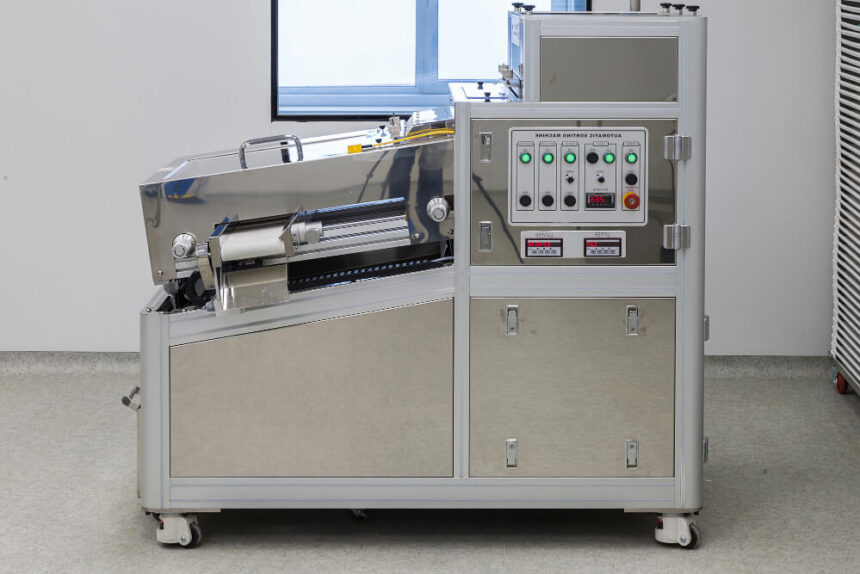
Capping is one of the most critical steps in any packaging line. A poorly sealed container can lead to leaks, contamination, or product rejection, costing companies both time and money. Choosing the right capping machine ensures product integrity, boosts efficiency, and reduces downtime. On the other hand, the wrong decision can create bottlenecks, increase waste, and impact customer trust. This guide highlights what to consider before investing in a bottle capping machine so you can make an informed, cost-effective decision.
Why the Right Capping Machine Matters
A reliable cap machine is essential for maintaining product quality and ensuring regulatory compliance. Proper sealing extends shelf life, prevents spillage, and gives customers confidence in your brand. A poorly capped bottle not only damages your reputation but can also trigger costly recalls or regulatory issues. The right solution improves efficiency by synchronizing with filling, labeling, and inspection equipment to create a cohesive line. For high-output facilities, a fully automatic capping machine delivers precision torque and consistent application, reducing the risk of errors common with manual processes. This consistency ensures every container meets strict quality standards, no matter how fast the line runs. By investing in dependable capping machines, businesses protect their products, minimize downtime, and create a smoother production flow.
Types of Capping Machines
Spindle Cappers
Spindle cappers use continuous motion to tighten screw caps as bottles move along a conveyor. They’re fast, versatile, and ideal for high-speed packaging lines where efficiency is critical. Because they work without stopping bottles, they can process thousands of containers per hour, making them one of the most widely used designs in industries like food and beverage.
Chuck Cappers
Chuck cappers deliver excellent torque control, making them a top choice for industries such as pharmaceuticals and cosmetics that demand accuracy and consistency. Each cap is applied using a chuck head, ensuring even application and proper seal integrity. Their precision reduces the risk of leaks and ensures every bottle capping step meets the strictest quality regulations.
Snap and Press-On Cappers
Not every product uses a screw-on cap. Some rely on snap-fit or press-on closures, particularly in personal care, household, and food packaging. Snap and press-on cappers are designed for speed and ease of use, handling lightweight containers and closures efficiently. For companies producing wide ranges of consumer goods, this machine type offers reliability without the complexity of torque control.
Automatic vs. Semi-Automatic
Semi-automatic machines require more operator involvement but cost less upfront, making them a strong option for small to medium businesses. Operators typically place the cap, while the machine applies torque. In contrast, an automatic capping machine manages the entire process, from sorting caps to securing them in place. While the initial investment is higher, it delivers long-term savings through labor reduction, higher throughput, and unmatched consistency.
Key Considerations Before Purchasing
Container and Cap Compatibility
Compatibility is one of the first factors to evaluate. Your bottle capping machine must align with the size, shape, and material of your containers and closures. Using the wrong equipment can result in damage, misaligned caps, or inconsistent seals. Always check that your chosen cap machine can handle current packaging requirements while remaining flexible enough to support future product launches.
Speed and Throughput
The speed of your capping machine should match or exceed the output of upstream equipment. If your filler produces 100 bottles per minute but your capper can only manage 80, the slower machine becomes a bottleneck. By selecting a bottle capping machine with adequate throughput, you ensure the entire line operates at peak efficiency, reducing idle time and maximizing return on investment.
Adjustability and Flexibility
Many businesses operate multiple product lines with different packaging formats. A flexible cap machine that can adjust to varying container heights, diameters, and closure styles minimizes downtime during changeovers. Look for machines that allow tool-free adjustments or quick-change parts. This adaptability supports long-term growth and ensures your equipment won’t quickly become outdated.
Maintenance and Support
Even the best capping machines require ongoing care. Machines designed with accessibility in mind make cleaning, adjustments, and part replacement easier, which lowers the risk of extended downtime. Beyond the machine itself, supplier support is critical. A strong equipment partner offers training, spare parts, and responsive service. This combination protects your investment and ensures that your packaging line operates smoothly for years.
How a Capping Machine Fits Into the Bigger Picture
A bottle capping machine doesn’t operate in isolation. It must integrate seamlessly with upstream and downstream systems, including fillers, conveyors, labelers, and inspection units. When aligned with the rest of your packaging line, the right capping machine enhances efficiency, reduces operator workload, and supports consistent quality. Well-integrated systems also make scaling production easier, ensuring your business is prepared to meet growing demand. By preventing downtime and improving coordination, cappers play a vital role in delivering return on investment.
Conclusion
Before investing in a capping machine, it’s essential to evaluate your packaging needs, product requirements, and growth goals. From compatibility and speed to supplier support, every factor plays a role in long-term success. The right automatic capping machine not only protects product quality but also enhances efficiency and prepares your operation for future demands. By making a thoughtful decision, you safeguard your brand, streamline production, and ensure every bottle that leaves your facility is sealed with precision and reliability.