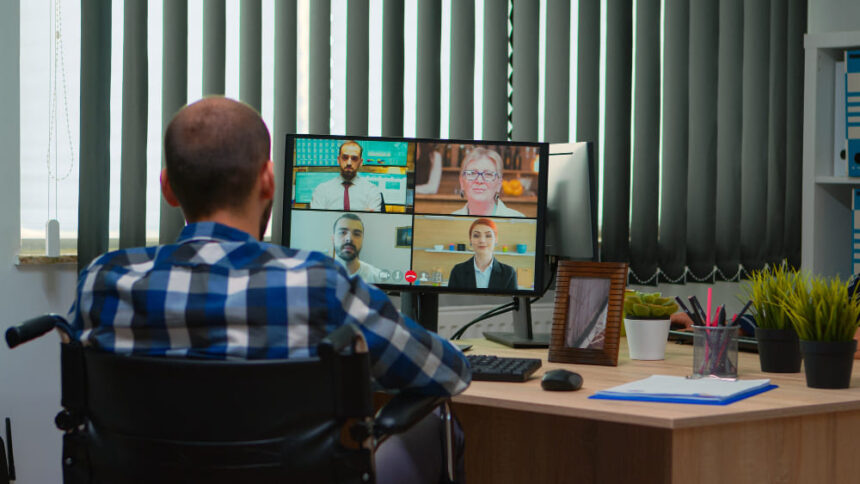
Working remotely was once a relatively unheard-of trend, but it has surged in popularity since the COVID-19 pandemic. Modern businesses now operate with hybrid or remote practices being prioritized. However, this shift has revealed a new set of difficulties, particularly in managing remote teams abroad.
Remote work necessitates a fresh approach to business, acknowledging communication failures, productivity inefficiencies, and other potential issues. With teams distributed across time zones, it can be challenging to resolve these issues, particularly when juggling the different responsibilities of owning a business. Fortunately, there are ways to change this.
In this post, you will learn three of the most effective strategies to overcome the complications of remote team management.
Focus on Asynchronous Communication
Asynchronous communication can be a beneficial form of interaction when managing remote teams overseas. This form of communication involves an individual sending information, but there will be a time lag before the recipient receives and responds to the message. It is the opposite of synchronous communication, which requires simultaneous participation, like live meetings or phone calls.
Using the asynchronous communication approach can enable continuous progress by allowing tasks to be handed off across different working hours. It can empower team members to contribute when it is most convenient for them, and this can increase productivity and improve work-life balance. Your workers will be able to manage their schedules and workloads more effectively, fitting them around their personal commitments.
Before utilizing the necessary tools and practices, you must establish clear communication protocols. This means defining clear expectations for when team members should respond to messages, as this will manage expectations across time zones. Creating a knowledge base for all important documents and project plans could also be valuable, as it will reduce the need for information-seeking and repetitive questions, which can waste time.
There are numerous tools available for asynchronous communication across time zones as well. Cloud storage is suitable for sharing documents and project files, while Asana and other project management tools are better suited for task tracking.
Prioritize Overlapping Work Hours
When some team members are located in different time zones, it can be challenging to collaborate effectively and complete time-sensitive tasks. This is when it is crucial to examine working hours. Overlapping work hours refer to periods when the work schedules of multiple employees or teams coincide, enabling real-time collaboration and communication. For remote teams, these hours will coincide with the time zones that overlap.
Establishing a system of “core hours” can help to mitigate workflow bottlenecks caused by time zone delays. A set number of hours should be defined, and these hours will be when all team hours are available for synchronous activities. Employees will be able to discuss projects and issues as they arise, finding resolutions quickly instead of waiting for responses across different time zones.
With core hours established, you should also ensure platforms like Slack and Teams are utilized for communication and scheduling. Team members should also be encouraged to share their preferred work hours and availability, as this will enable the team to plan and work more efficiently. This flexibility can be used outside of the core hours to accommodate different time zones and your workers’ personal needs.
Develop a Consistent Onboarding Process
Maintaining consistency can be challenging when multiple teams work remotely from overseas. Language barriers, time zone differences, and varying work cultures can lead to confusion and delays when integrating new workers into the organization. Some employees can even become isolated as a result. This is why it is essential to have a standardized and repeatable onboarding process.
To avoid this from happening, it is crucial to design an onboarding experience that all new team members will go through, regardless of their location. You should include a thorough introduction to the company’s expectations, tools, values, and workflows in this process. Asynchronous onboarding materials, like handbooks, recorded presentations, and video tutorials, can be used to make the process accessible across all time zones.
A mentor or onboarding representative should be assigned to the team, helping new hires acclimate faster. These individuals will know how to answer questions, offer a human connection during the early days, and provide essential guidance. This will bridge the gap between remote onboarding and company integration.
Having check-ins during the first few weeks would also be useful. Check-ins can ensure that new team members are adequately supported, have the opportunity to ask questions, and understand the path to productivity, regardless of when or where they are working.
To conclude, managing remote workers abroad can be a challenging task to master, but it is an unavoidable reality for many companies. With the assistance of advanced technology and improved preparedness, as mentioned in this post, you can simplify managing teams that work remotely overseas.