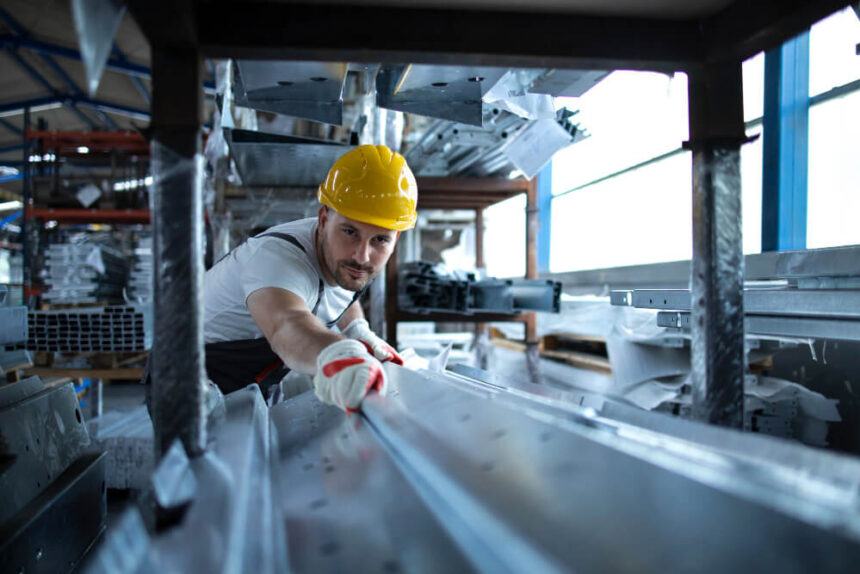
Aluminum sheet metal fabrication has become a vital process in modern manufacturing, providing industries with versatile, durable, and lightweight solutions. From aerospace to automotive to consumer goods, aluminum has proven itself as a material of choice due to its exceptional properties and adaptability. This article explores why aluminum sheet metal fabrication is a game-changer, offering practical insights into its advantages, applications, and impact on manufacturing processes.
The Superiority of Aluminum in Manufacturing
When discussing metal fabrication, aluminum consistently stands out thanks to its unique combination of properties. First and foremost, aluminum is lightweight, which is one of its most celebrated features. This characteristic reduces overall product weight without compromising structural integrity, making it especially useful in industries where weight savings are critical, such as aerospace and transportation.
Durability is another of aluminum’s defining features. Despite its lightweight nature, aluminum offers impressive strength and resistance to external forces. Its natural ability to resist corrosion, thanks to the oxide layer that forms on its surface, makes it ideal for environments exposed to moisture and extreme temperatures. These qualities ensure that parts and products made through aluminum sheet metal fabrication last significantly longer, saving manufacturers money on repairs and replacements.
Additionally, aluminum is fully recyclable without losing its quality. This has become increasingly important in an era where sustainability is a priority for industries and consumers alike. Fabrication processes that utilize aluminum help reduce environmental impact, aligning with modern eco-conscious manufacturing standards.
Precision and Versatility in Aluminum Sheet Metal Fabrication
One of the primary reasons manufacturers opt for aluminum sheet metal fabrication is the unparalleled precision it enables. Advanced technologies such as CNC machining, laser cutting, and waterjet cutting have revolutionized fabrication processes, allowing for intricate and detailed aluminum components. Whether it’s shaping complex geometries, punching fine holes, or joining parts seamlessly, aluminum lends itself well to high-precision modifications.
Versatility is equally noteworthy. Aluminum can be adapted for a wide range of thicknesses and forms, whether as flat sheets, perforated designs, or curved configurations. This flexibility ensures that aluminum sheet metal fabrication caters to diverse needs across industries, including architectural panels, automotive body parts, and aircraft structures. The ease of forming and bending aluminum also allows manufacturers to minimize waste, maximize material efficiency, and streamline production workflows.
Thermal and Electrical Conductivity Advantages
Another practical benefit of aluminum lies in its superior thermal and electrical conductivity. For industries relying on heat and energy management, this property is invaluable. Aluminum is often used in the production of heat exchangers, radiators, and electronic enclosures, where efficient heat dissipation is critical.
Its electrical conductivity, although not as high as that of copper, provides an excellent alternative for lightweight electrical components. The reduced weight without significant compromise in performance makes aluminum sheet metal fabrication particularly attractive in the production of busbars, power transmission components, and even certain consumer electronics.
Lightweight Benefits for Transportation
The transportation industry, including automotive, aviation, and rail sectors, has reaped enormous benefits from aluminum sheet metal fabrication. Lightweight materials directly contribute to fuel efficiency, a crucial factor in reducing costs and carbon emissions. For manufacturers, using aluminum parts for vehicles and airplanes aligns with regulatory requirements to produce more environmentally friendly and sustainable solutions.
For example, car manufacturers use aluminum sheet metal to create both structural components, like chassis parts, and aesthetic elements, like body panels. This helps reduce vehicle weight without compromising crash safety or design aesthetics. Similarly, in aircraft manufacturing, reducing weight through aluminum use directly impacts payload capacity and fuel consumption, making operations more efficient and cost-effective.
Corrosion Resistance and Longevity
Another reason aluminum sheet metal fabrication is highly regarded is its corrosion-resistant nature. Aluminum’s natural oxide coating protects it from rust and other forms of chemical wear, even in harsh environments. This makes aluminum ideal for industries that operate in extreme conditions, such as marine applications, where exposure to saltwater can be highly corrosive to other metals.
The longevity of aluminum also adds significant value to end products. Whether it’s a commercial façade, a heavy-duty truck, or an industrial machine part, the durability of aluminum minimizes the likelihood of maintenance and replacement. For manufacturers and users alike, this translates to lower long-term costs and dependable performance over time.
Sustainability and Circular Economy
Modern manufacturing increasingly emphasizes sustainable practices, and aluminum sheet metal fabrication aligns perfectly with this shift. Aluminum can be recycled indefinitely without any compromise in quality, and the energy used during the recycling process is significantly lower than what’s required to produce primary aluminum.
Industries using recycled aluminum benefit from reduced material costs and a smaller carbon footprint, which appeals to environmentally conscious consumers and partners. Manufacturers who integrate aluminum sheet metal fabrication not only build products but also contribute meaningfully to a circular economy where materials are reused and waste minimized.
Enhancing Design and Aesthetics
Manufacturing isn’t solely about functionality—design and aesthetics are crucial, particularly in sectors such as consumer goods, architecture, and electronics. Aluminum sheet metal fabrication offers designers incredible freedom when creating visually appealing and functional parts.
Aluminum’s malleability enables manufacturers to achieve sleek, modern designs while maintaining structural integrity. The material can undergo anodizing or powder coating to enhance its appearance, increase wear resistance, and add color. This versatility gives manufacturers a competitive edge, especially in industries where form and function are equally important.
For example, consumer electronics like laptops and smartphones often feature aluminum housings, which provide a premium, polished look while keeping devices lightweight and robust. Similarly, architectural projects use aluminum panels to blend aesthetic appeal with weather-resistant functionality.
Cost-Effectiveness in Fabrication
While initial costs for aluminum can sometimes be higher than for other metals, its full lifecycle costs are much lower. Aluminum’s durability, resistance to wear, and minimal maintenance needs contribute to long-term savings for both manufacturers and consumers. Furthermore, the efficiency of modern aluminum sheet metal fabrication processes requires less labor and raw material waste, streamlining production from start to finish.
Automation technologies also make aluminum fabrication cost-efficient. Robots and advanced machines can rapidly cut, bend, and assemble aluminum sheets with exceptional accuracy, reducing production times and minimizing errors. This level of efficiency enables manufacturers to maintain competitive pricing even with high-quality outcomes.
Addressing Challenges in Aluminum Fabrication
Despite its many advantages, aluminum sheet metal fabrication comes with unique challenges. For instance, aluminum’s softness means that it can be prone to surface scratches during production. However, manufacturers have overcome this with protective films and careful handling procedures.
Another challenge is aluminum’s specific welding requirements. While welding steel is relatively straightforward, aluminum requires more advanced techniques and equipment to create strong, clean welds. Fortunately, the widespread adoption of technologies such as TIG and MIG welding has made fabricating aluminum parts more accessible and efficient.
These challenges are outweighed by aluminum’s benefits, motivating manufacturers to invest in the right expertise and tools to master its fabrication. The result is a higher-quality finished product that meets modern standards for functionality, durability, and appearance.
The Future of Aluminum in Manufacturing
The role of aluminum sheet metal fabrication continues to expand as industries move toward lighter, more sustainable manufacturing practices. Innovations in fabrication technologies, such as additive manufacturing and AI-driven optimization, promise to further enhance how aluminum is integrated into production.
With increasing global demand for efficient and eco-friendly materials, aluminum is poised to remain a top choice in manufacturing. From renewable energy components to electric vehicles, aluminum’s properties are well-suited to the requirements of cutting-edge industrial innovation.
Final Thoughts
Aluminum sheet metal fabrication offers manufacturers a versatile, durable, and sustainable solution that meets the demands of modern industries. Its lightweight nature, corrosion resistance, and design flexibility make it indispensable in applications ranging from automotive to electronics. By leveraging advancements in fabrication techniques, industries have optimized aluminum’s use for precision, cost-effectiveness, and long-term value.
Given its remarkable benefits and evolving potential, aluminum continues to shape the future of manufacturing, driving progress toward efficient and sustainable solutions. Through aluminum sheet metal fabrication, manufacturers can meet performance demands while supporting environmental goals—proving that innovation and responsibility can coexist in today’s industrial landscape.